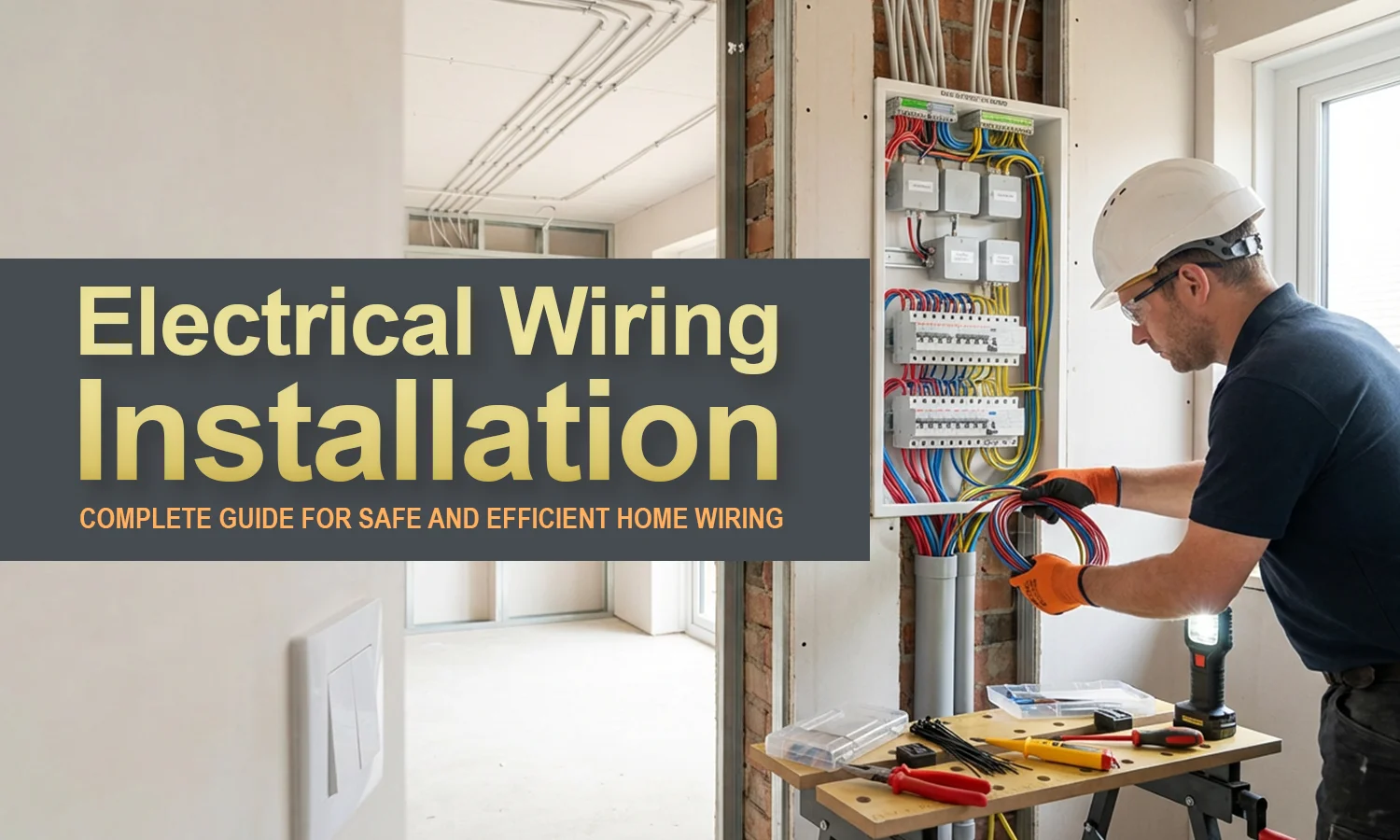
Electrical Wiring Installation: Complete Guide for Safe and Efficient Home Wiring
When you build a new home, you think about the paint, the tiles, and the furniture. But have you thought about what runs behind those walls? Electrical wiring installation is the most important part of your house. It is like the veins in a body, carrying energy to every corner. Since 1968, we have seen how a good setup keeps a family happy and safe, while a poor one can lead to big problems.
In this guide, we will talk about how to get your electrical wiring installation right from day one. You do not need to be an expert to understand this. We will break it down so you can make the best choice for your dream space.

Safety and Compliance for Electrical Wiring in the House
Safety is the first thing to check. When doing house electrical wiring, you must follow the rules set by local authorities. These rules are there to prevent fires and shocks. A safe electrical wiring installation means using wires that can handle heat. At Kundan Cab, we focus on making wires that do not catch fire easily. This keeps your children and elders safe at all times. Always make sure your electrician follows a proper plan before they start the work.

Types of Electrical Wiring Systems for Homes
There are different types of electrical wiring you can choose from. Most modern homes use "Concealed Wiring." This is where the pipes are hidden inside the walls. It looks very neat because you cannot see any wires.
Another option is "Surface Wiring," where the pipes are fixed on the wall. This is easier to fix later, but might not look as pretty. Choosing the right types of wiring in electrical systems depends on your budget and how you want your rooms to look.
Electrical Wiring Materials List and Wire Selection
To start the work, you need an electrical wiring materials list. This includes things like PVC pipes, switch boxes, and, most importantly, the wires. For home electrical wiring, copper is the best material. It carries electricity very well and does not get damaged quickly. When picking used in electrical wiring items, always look for the ISI mark. This mark tells you that the product has passed many safety tests.
                Material
                Purpose
                Why it matters


                Copper Wires
                Carrying power
                Better flow and less heat


                PVC Conduits
                Protecting wires
                Keeps wires safe from moisture


                Switchboards
                Control points
                Easy access to turn lights on/off
Outlet Locations and Electrical Load Planning
Before the electrical wiring installation begins, take a walk through your rooms. Think about where you will put your TV, fridge, and AC. This is called load planning. If you put too many heavy machines on one wire, it might melt. Proper electrical house wiring ensures that each heavy appliance has its own dedicated line. This prevents the lights from flickering when you turn on the microwave.
Energy Efficiency in Home Electrical Wiring
Everyone wants a lower electricity bill. Did you know that the quality of your electrical wiring in your home affects your bill? Poor quality wires get hot, and heat is actually wasted energy. By using high-quality copper wires, electricity flows smoothly. This makes your wiring electrical system efficient. It saves money in the long run and helps the environment, too.
Custom Light Switches and Smart Control Options
Modern homes now use smart switches. You can control your lights with your phone or your voice. During your electrical wiring installation, tell your team if you want these features. Electrical wiring work for smart homes needs a "neutral wire" at every switch point. Planning this early saves you from breaking the walls later to add new wires.
Aesthetics and Concealed Wiring Design
Your home should look beautiful. Concealed electrical wiring installation helps achieve a clean look. All the mess is tucked away behind the plaster. We suggest using flexible and durable wires that can bend easily inside the pipes. This makes the installation process fast and keeps the walls looking perfect for years.
Conclusion
A house is made of bricks, but a home is made of safety and comfort. Getting your electrical wiring installation right is a one-time investment that protects your family for decades. By choosing the right materials and planning your load, you ensure a worry-free life. Trust the process, use the best quality wires, and always keep safety as your top priority.
Key Takeaways
- Always use high-quality copper for electrical wiring installation to ensure safety.
- Plan your appliance locations early to avoid overloading the circuits.
- Concealed wiring is the best choice for a clean and modern home look.
Check for ISI marks on all materials used in electrical wiring.
FAQs
1. How to do electrical wiring in the house?
Hire a licensed professional to map circuits and pull wires through pipes for a safe electrical wiring installation.
2. What is standard electrical wiring in the house?
The standard involves using specific wire thicknesses and PVC insulation to ensure a stable electrical wiring installation.
3. Which wiring is best for a house?
Concealed copper wiring is the best choice for a modern and fire-safe electrical wiring installation.
4. What type of electrical wire is used in homes?
For a safe electrical wiring installation, most homes use PVC-insulated copper wires with fire-resistant properties.
5. What is the cost of electrical wiring?
The cost of your electrical wiring installation varies based on house size and the quality of materials chosen.