Overview
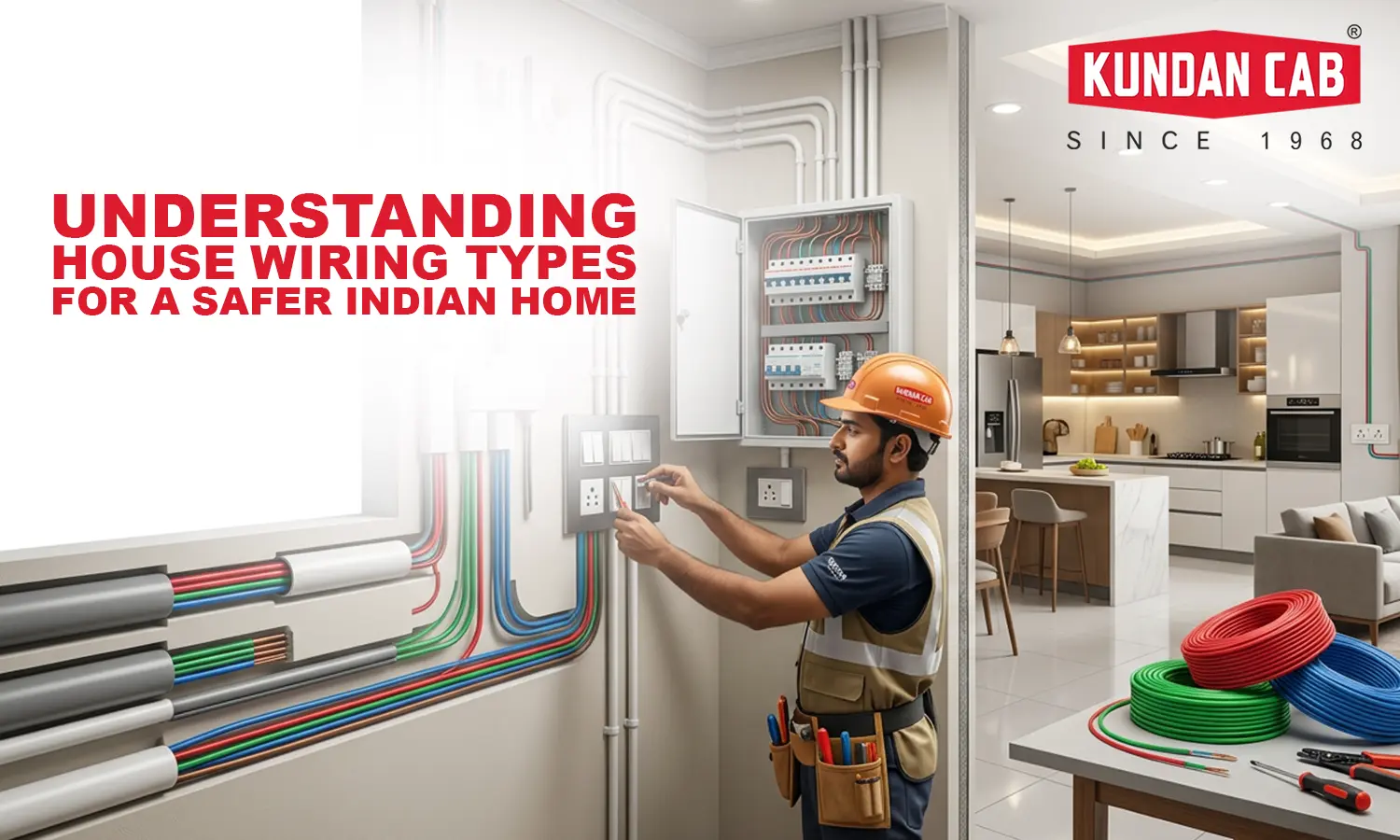
House wiring types cover both the method used to run cables through a home and the grade of cable chosen. Concealed conduit, surface casing and batten wiring are common methods, while FR and FR-LSH copper cables decide the safety level. Choosing the right combination keeps an Indian home protected for decades.
What Decides House Wiring Types
When people talk about house wiring types, they usually mean two things. The first is the physical method used to route cables, and the second is the grade of cable running inside. Both together define how safe and neat the final electrical wiring turns out. A modern house electrical system depends on getting both right, because the method protects the cable and the cable protects the home. Understanding this early makes any house wiring plan far easier to judge.
Common House Wiring Methods in India
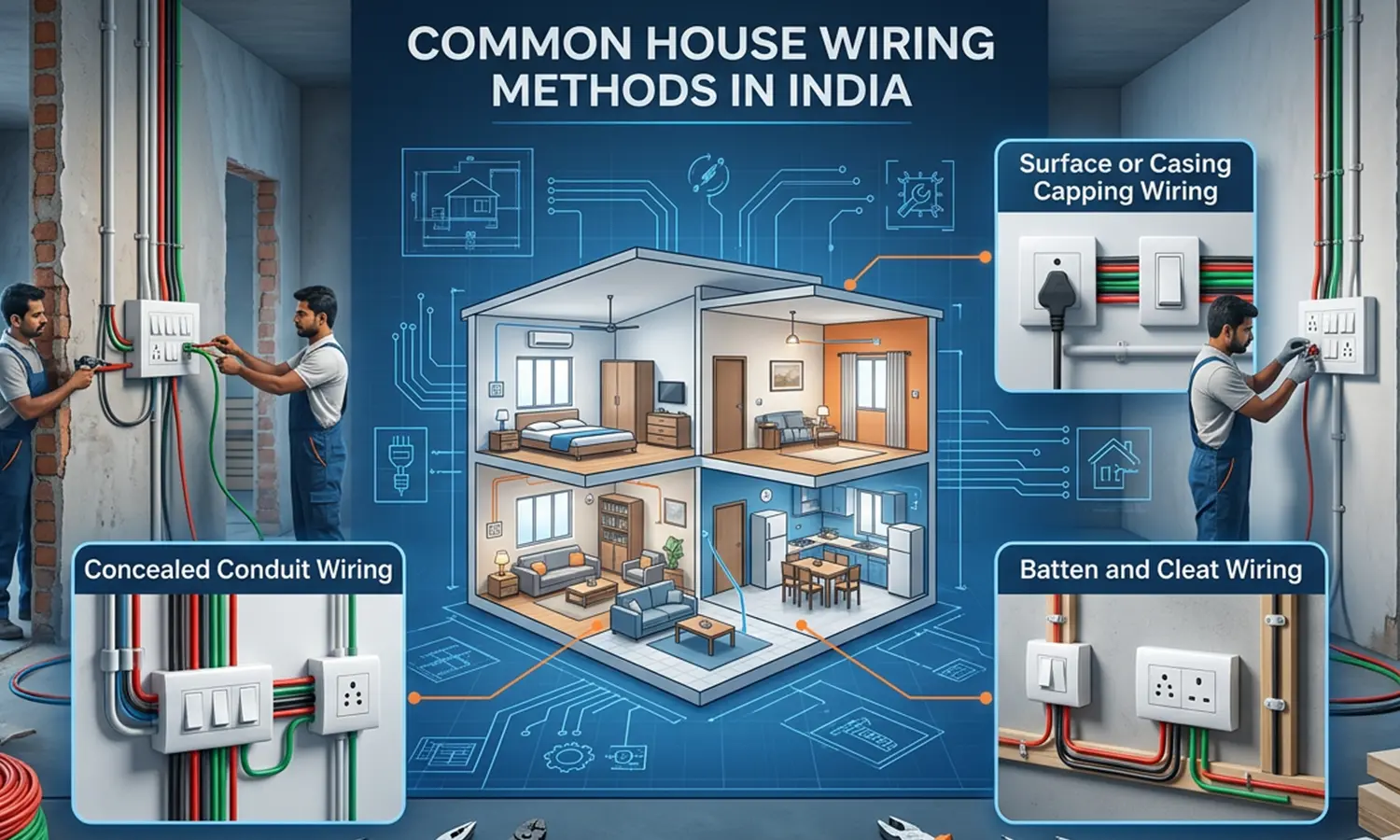
The method you choose affects cost, appearance, safety and how easy future repairs will be. Three approaches cover most Indian homes, and each suits a different situation.
Concealed Conduit Wiring
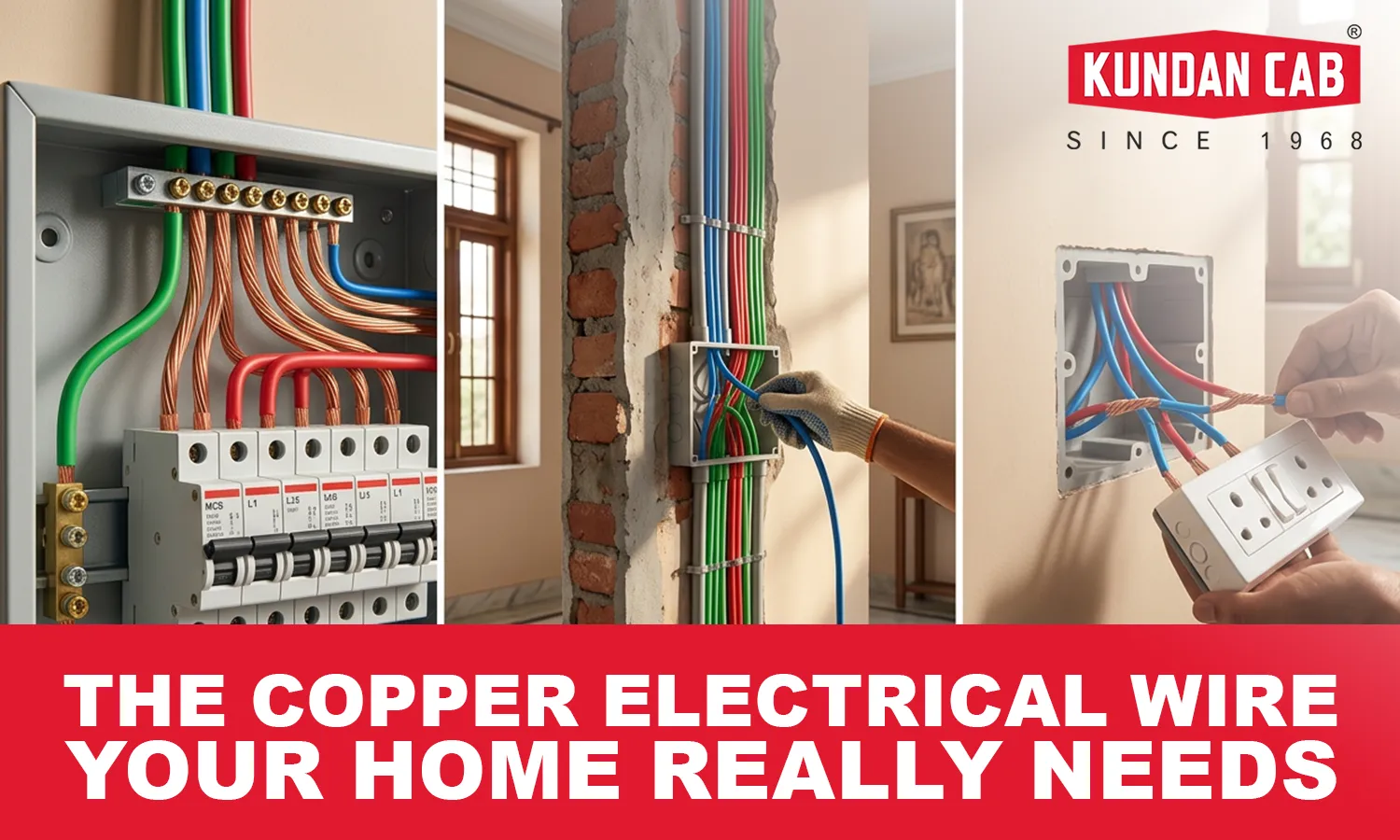
The most popular method for modern homes runs cables inside PVC conduits buried in the wall. This concealed approach keeps home wiring hidden, protected from moisture and safe from tampering. It is the standard for new flats and independent houses across India, and it gives the cleanest finish for residential wiring.
Surface or Casing Capping Wiring
Here the cable runs inside plastic casing fixed on the wall surface. It suits older buildings, rented spaces and quick additions where breaking walls is not practical. This domestic wiring method is easy to inspect and repair, which is why many electricians still use it for extensions and small jobs.
Batten and Cleat Wiring
Batten wiring fixes cable along wooden or PVC battens, while cleat wiring suspends it on insulated supports. These older wiring system choices appear in temporary sheds, workshops and rural setups. They are simple and low cost, but concealed conduit remains the safer wiring system for a family home.
House Wiring Types by Cable Grade
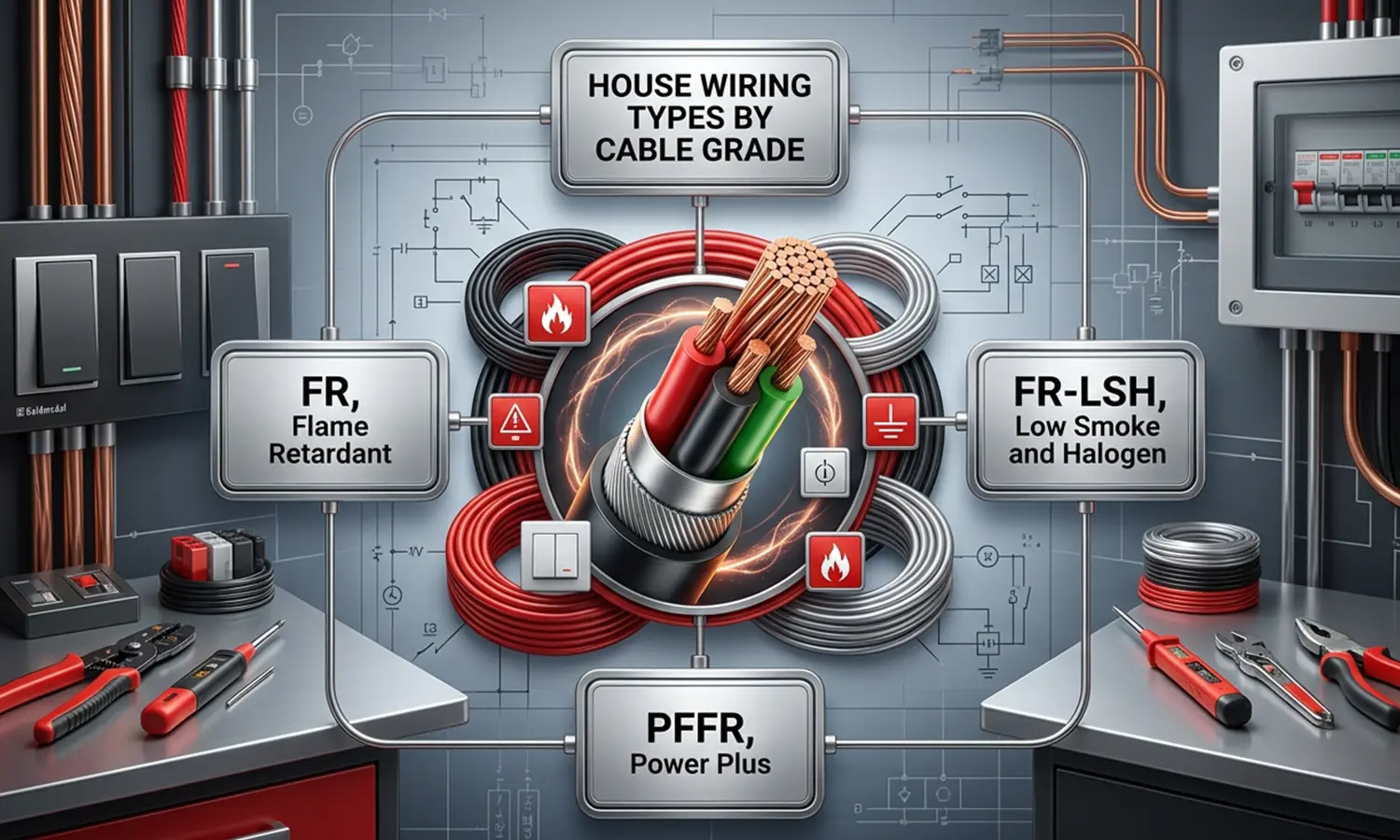
The method matters, yet the cable grade matters more for safety. This is where the real electrical wiring types differ. Kundan Cab builds its home range around flame retardant copper, certified to IS 694:2010, in three clear grades.
FR, Flame Retardant
FR resists ignition and slows fire along the cable. Safety Pro FR suits everyday home electrical wiring in bedrooms, halls and general circuits where standard fire safety is needed.
FR-LSH, Low Smoke and Halogen
FR-LSH adds low smoke and halogen safety. Flexy Plus FR-LSH releases far less toxic smoke during a fire, which makes it ideal for closed rooms, high rise flats and homes that want the highest protection for their home electrical wiring.
PFFR, Power Plus
Power Plus PFFR is a premium flexible flame retardant grade for demanding installs that need easier pulling through long conduits without losing safety.
Choosing the Right House Wiring Types for Your Home
For most Indian families, concealed conduit electrical installation paired with FR or FR-LSH copper cable is the safest combination. The electrical wiring types you pick should match the room, the load and the level of fire safety you want. A dedicated circuit for a geyser or air conditioner, run in the right cable grade, prevents overload and heat.
House Wiring Types and Room Planning
Room planning also shapes the decision. Kitchens and bathrooms face moisture, so their home wiring should sit well protected inside conduit. Bedrooms and living areas suit standard concealed residential wiring, while a home office running many devices benefits from its own dedicated circuits. Planning the whole house electrical system room by room, and choosing a consistent grade of domestic wiring throughout, avoids weak points and keeps the installation simple to maintain over the years.
Wire Your Home With Confidence
The safest house wiring types start with cable you can trust. If you are planning a new home or an upgrade, choose a copper conductor certified to IS 694:2010 in an FR or FR-LSH grade. Look at the Kundan Cab range of FR, FR-LSH and PFFR copper wires, ask your electrician for genuine IS 694:2010 cable, and give your electrical installation the safety it deserves. Visit kundancab.in to choose the right grade for every room.
FAQs
1. What are the main house wiring types used in India?
The main house wiring types are concealed conduit, surface casing capping, batten and cleat wiring. Concealed conduit is the most common for modern homes because it hides and protects the cable. The grade of cable, such as FR or FR-LSH copper, is just as important as the method itself.
2. Which house wiring method is safest?
Concealed conduit wiring is generally the safest for homes because it protects cables inside the wall from moisture, pests and damage. Paired with a flame retardant copper cable, it gives the strongest protection for everyday electrical wiring in an Indian home.
3. Does the cable grade change the wiring type?
Yes. Beyond the method, the cable grade defines the wiring system. FR resists flame for general rooms, while FR-LSH adds low smoke safety for closed spaces. Choosing the correct grade is a core part of choosing the right wiring type.
Key Takeaways
- House wiring types cover both the routing method and the cable grade.
- Concealed conduit is the most common and safest method for modern Indian homes.
- FR suits general rooms, while FR-LSH suits closed and high rise spaces.
- Always choose copper cable certified to IS 694:2010.
- Match the wiring type to the room, the load and the fire safety you need.
Conclusion
Safe wiring is a choice, not a chance. Understanding house wiring types, both the method and the cable grade, helps a family build a home that stays protected for decades. Kundan Cab has supported Indian homes for over 50 years with flame retardant copper wires made to last.