Overview
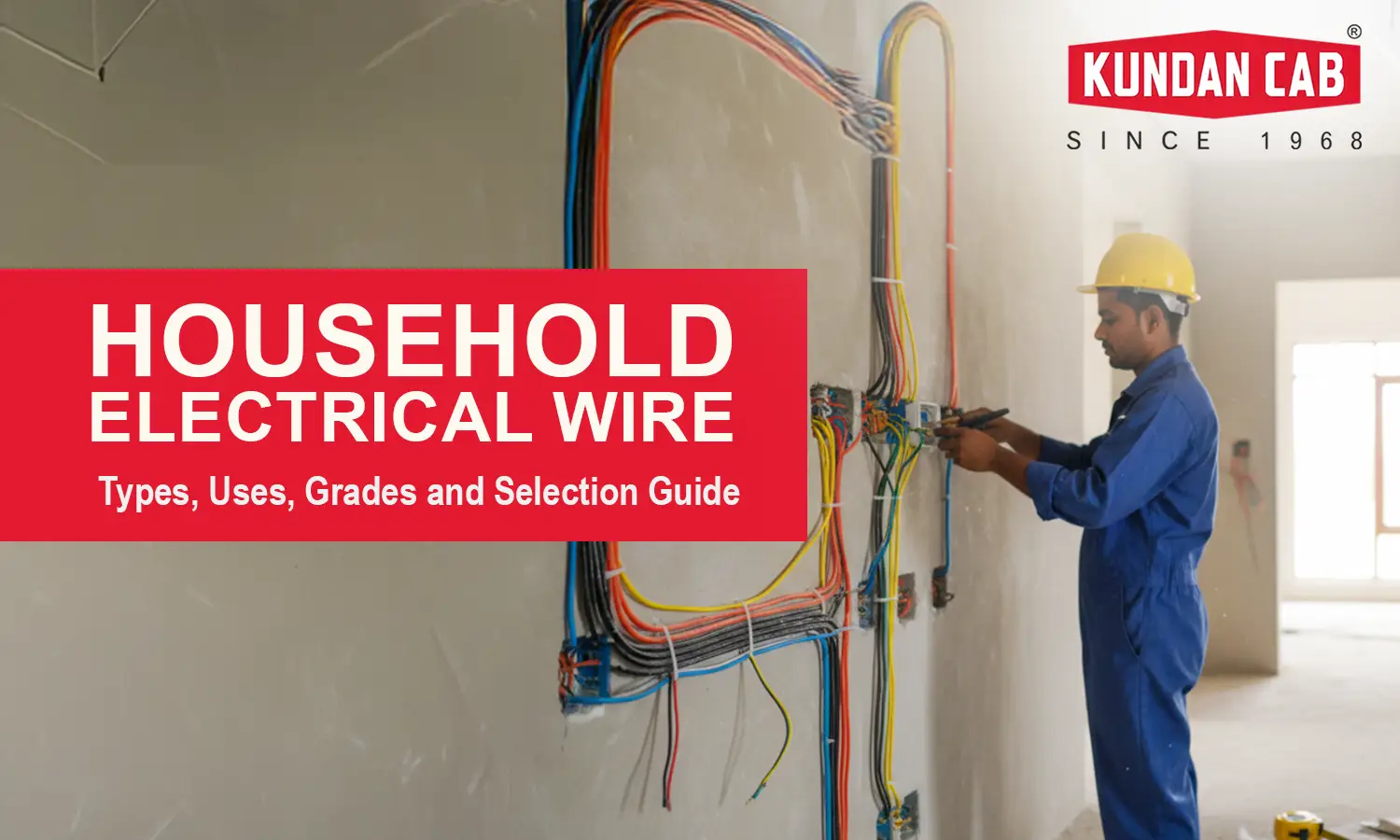
A household electrical wire is the insulated copper conductor that powers lights, fans, sockets and appliances in a home. Its safety rests on the copper quality, the flame retardant grade and IS 694:2010 certification. The right wire keeps an Indian home powered and protected for decades.
What Is a Household Electrical Wire
A household electrical wire carries power from the main board to every point in a home. The copper conductor inside moves the current, and the insulation outside protects it and keeps people safe. This everyday electrical wire runs behind walls and inside conduits, quietly doing its job when it is genuine copper of the right grade. A dependable house wire does this for decades without heat or leakage.
Copper at the Heart of Every Household Wire
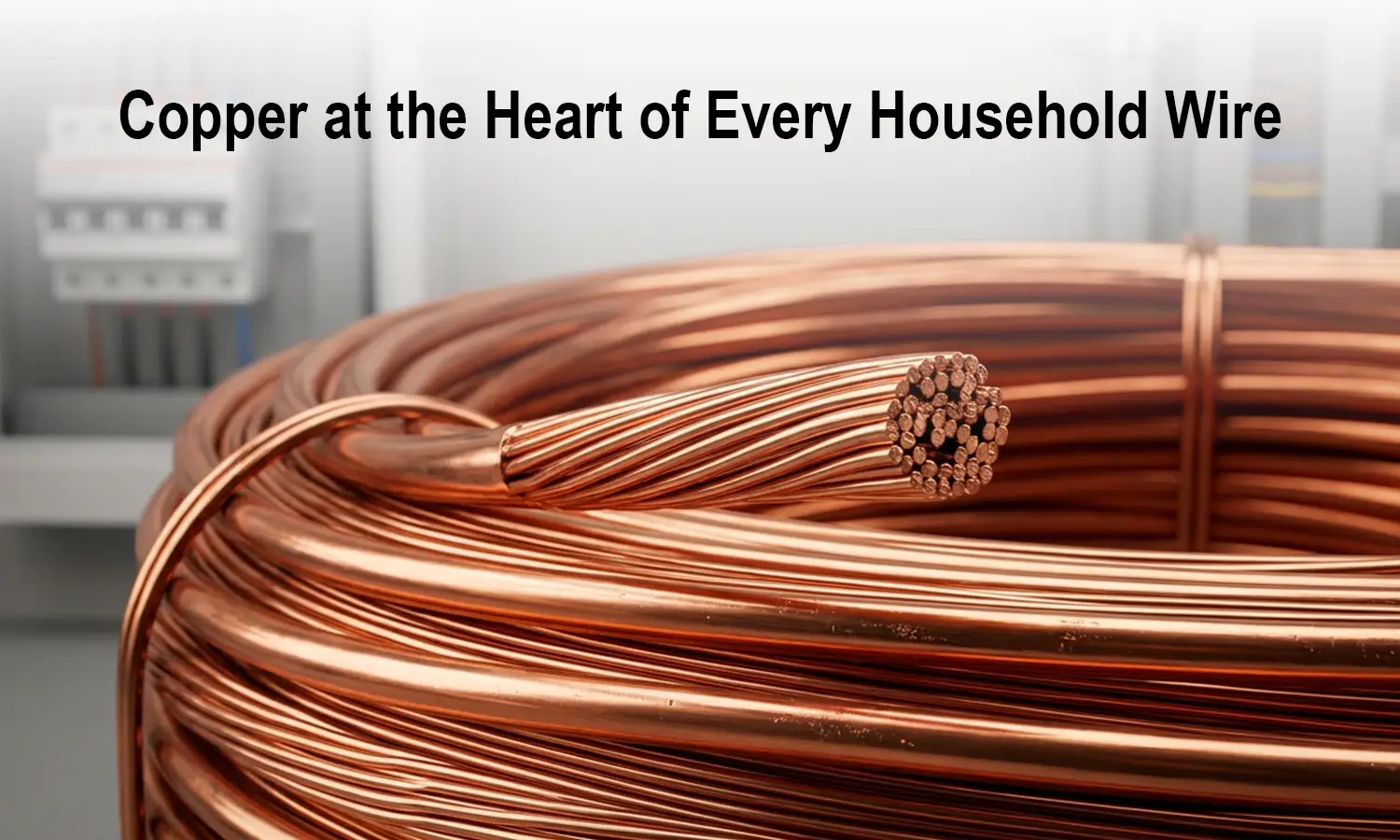
The conductor decides how well a wire performs. A copper wire carries more current for the same thickness, runs cooler and lasts longer than aluminium. High purity electrolytic copper, around 99.97 percent in Kundan Cab wires, is why copper is the trusted core of a reliable household wire. A quality copper wire also holds its grip at connection points, which prevents the loose joints that cause heat.
Where Household Electrical Wire Is Used
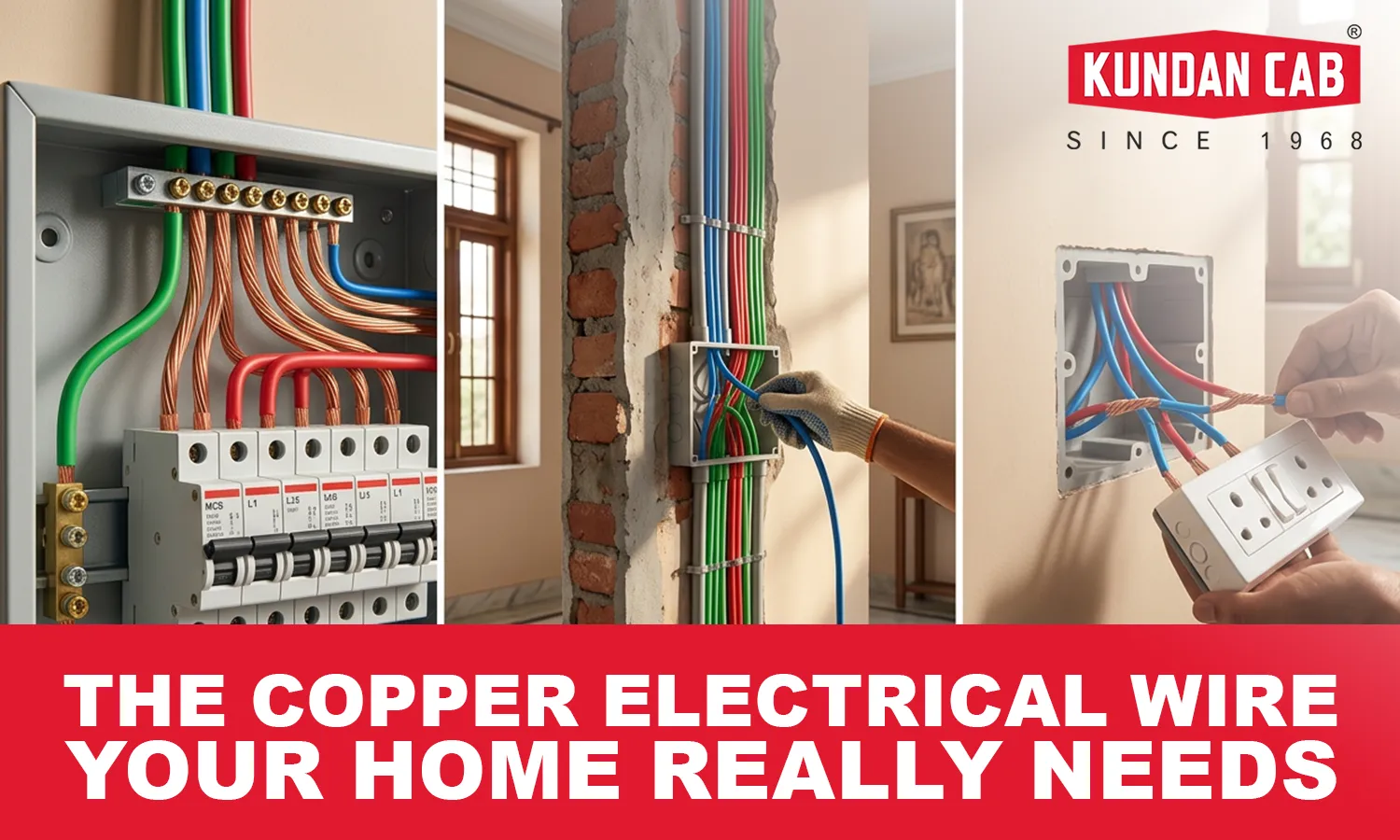
Every room relies on this wire. Lighting circuits use a thin size, sockets use a medium size, and heavy appliances like a geyser use a thicker one. The house wiring wire for a lighting point is different from the one feeding an air conditioner. Choosing the right residential wire size for each circuit keeps the whole home safe. A consistent home electrical wire across the house also makes future repairs simpler and quicker.
Insulation Grades for a Safe Home
Insulation grade decides fire safety. FR resists flame for general rooms, and an FR building wire suits bedrooms, halls and standard circuits. FR-LSH adds low smoke and halogen safety for closed rooms and high rise flats. Both are built on the same certified copper, so the grade choice depends on the room. A safe home wiring cable matches its grade to the space it serves.
Colour Code of a Household Electrical Wire
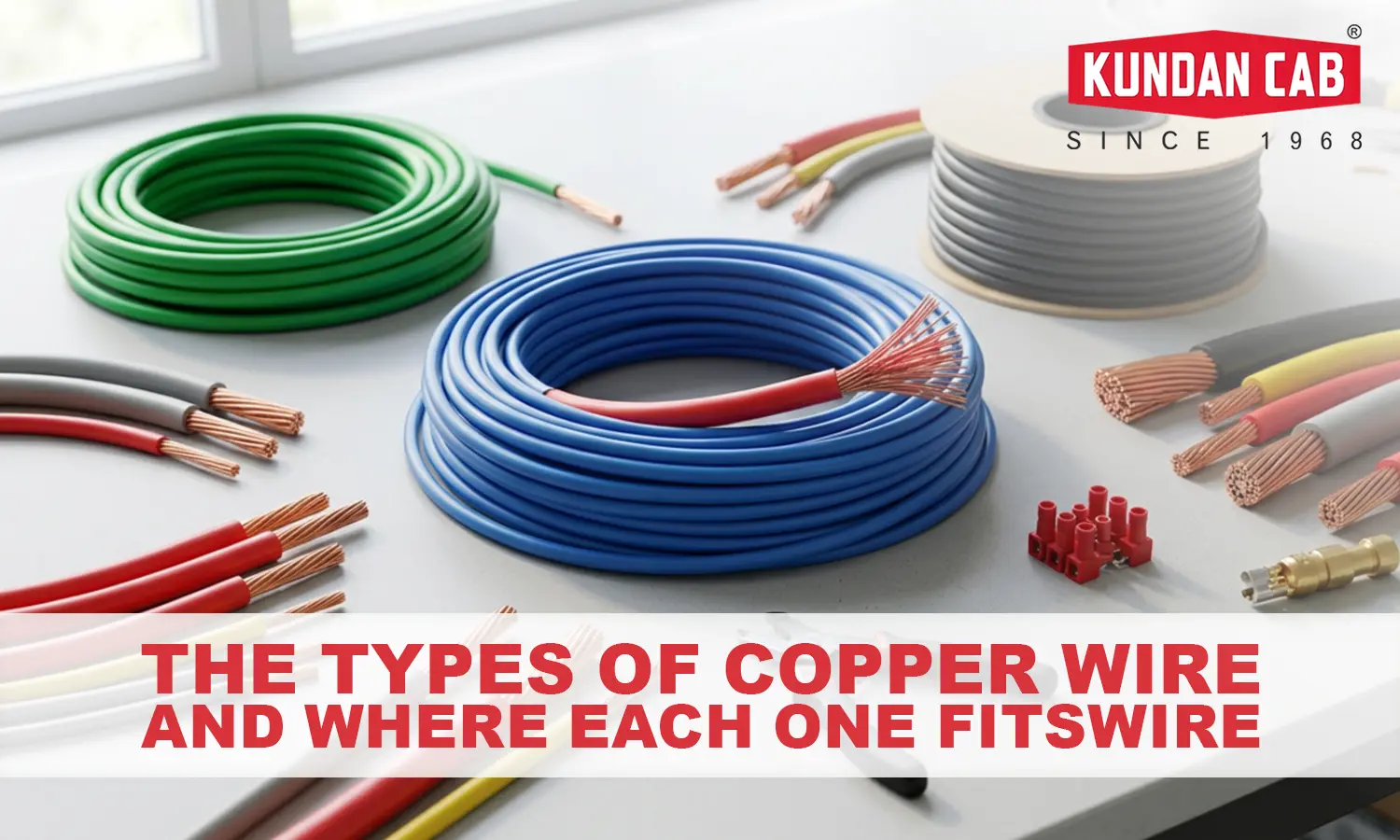
A house wire follows a colour code. Brown or red marks live, blue or black marks neutral, and green marks earth. Kundan Cab supplies its home wiring cable in red, yellow, blue, black and green, so every conductor follows its role. Never skip the green earth wire, since it carries fault current safely to the ground. Correct colours keep the electrical cable safe to maintain for years.
Choosing the Right Household Electrical Wire
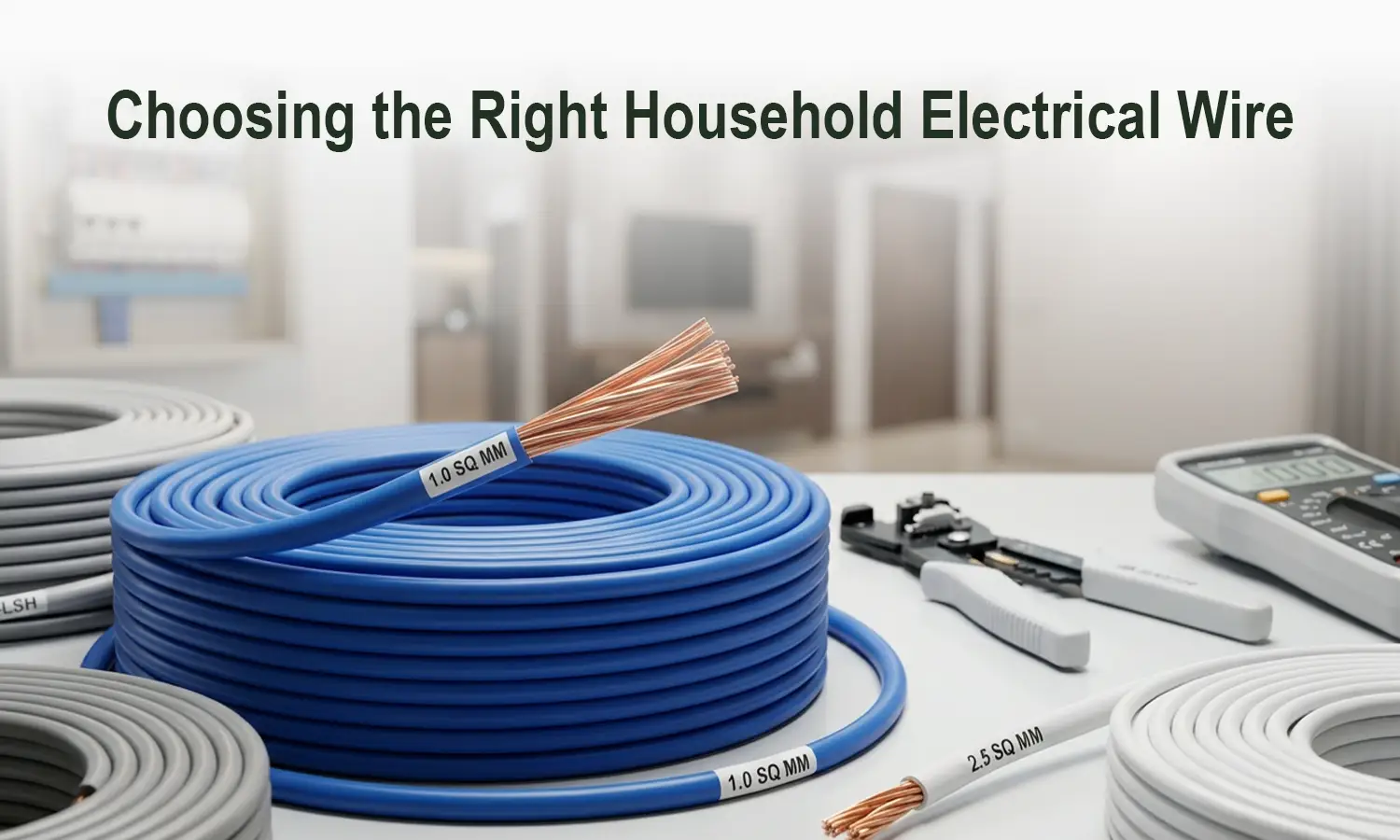
Selecting a household electrical wire comes down to three checks. Confirm the conductor is genuine copper. Match the size to the circuit load. Choose the flame retardant grade the room needs. A certified house wire meets all three and carries the IS 694:2010 mark on its insulation. This turns a simple household wire into a safe, long lasting system for the home.
Common Household Wiring Mistakes to Avoid
A few mistakes appear in home after home. Running heavy appliances on a thin socket wire causes heat, mixing copper and aluminium at joints leads to loose connections, and skipping the green earth wire removes a vital safety path. Using one size everywhere ignores the different loads across rooms. Choosing a certified copper wire of the correct size for each circuit avoids all of these, and it turns the whole house wire system into a safe, reliable network for years.
Trusted Household Electrical Wire From Kundan Cab
Kundan Cab has built home and industrial wire for over 50 years. Its range covers Safety Pro FR, Flexy Plus FR-LSH and Power Plus PFFR, all from high purity electrolytic copper certified to IS 694:2010. If you are wiring a new home or replacing old cable, choose a residential wire you can trust from the first point to the main line. Visit kundancab.in to find the right electrical wire and grade for your home.
FAQs
1. What is a household electrical wire made of?
A household electrical wire is made of a copper conductor covered in PVC insulation. The copper carries current, while the insulation protects it and adds fire safety. Genuine wires use high purity electrolytic copper and carry the IS 694:2010 standard printed on the building wire.
2. Which wire is best for a home?
The best wire is a copper house wiring wire built to IS 694:2010 in an FR or FR-LSH grade. FR suits general rooms, while FR-LSH adds low smoke safety for closed spaces. Match the size to each circuit for the safest home electrical wire in every room.
3. How long does household wire last?
A genuine copper household wire with quality insulation can last for decades when correctly sized and installed. Cheap or undersized wire fails far sooner. Choosing a certified electrical cable and matching it to the load is the best way to get long, safe life from home wiring.
Key Takeaways
- A household electrical wire is a copper conductor with protective insulation.
- Copper carries more current and lasts longer than aluminium.
- FR suits general rooms, while FR-LSH suits closed and high rise spaces.
- Match the wire size to each circuit and follow the colour code.
- Choose a certified IS 694:2010 copper wire from a trusted brand.
Conclusion
A safe home begins with the right household electrical wire. Genuine copper, the correct size, a proven flame retardant grade and honest IS 694:2010 certification keep a family protected. Kundan Cab has delivered that standard for over 50 years.