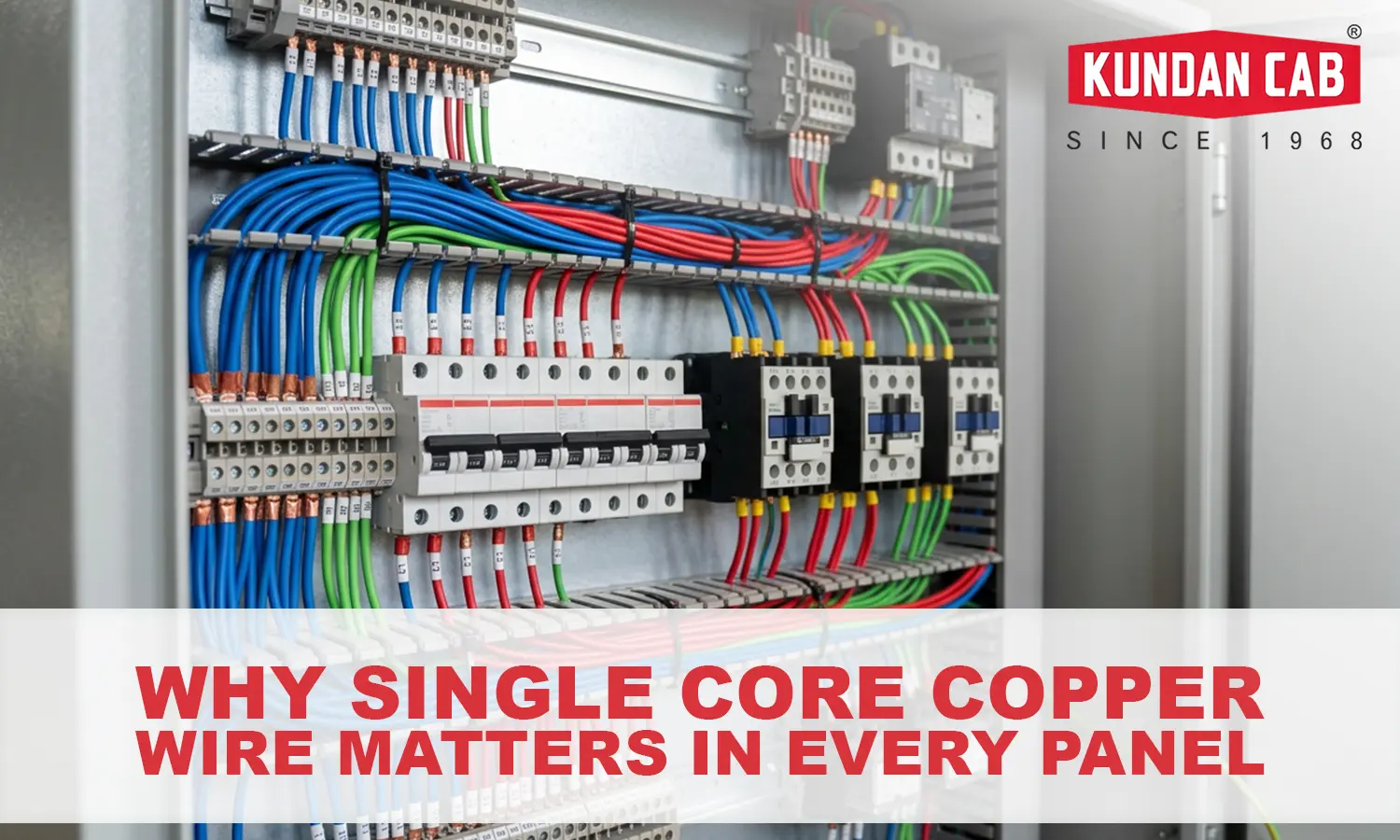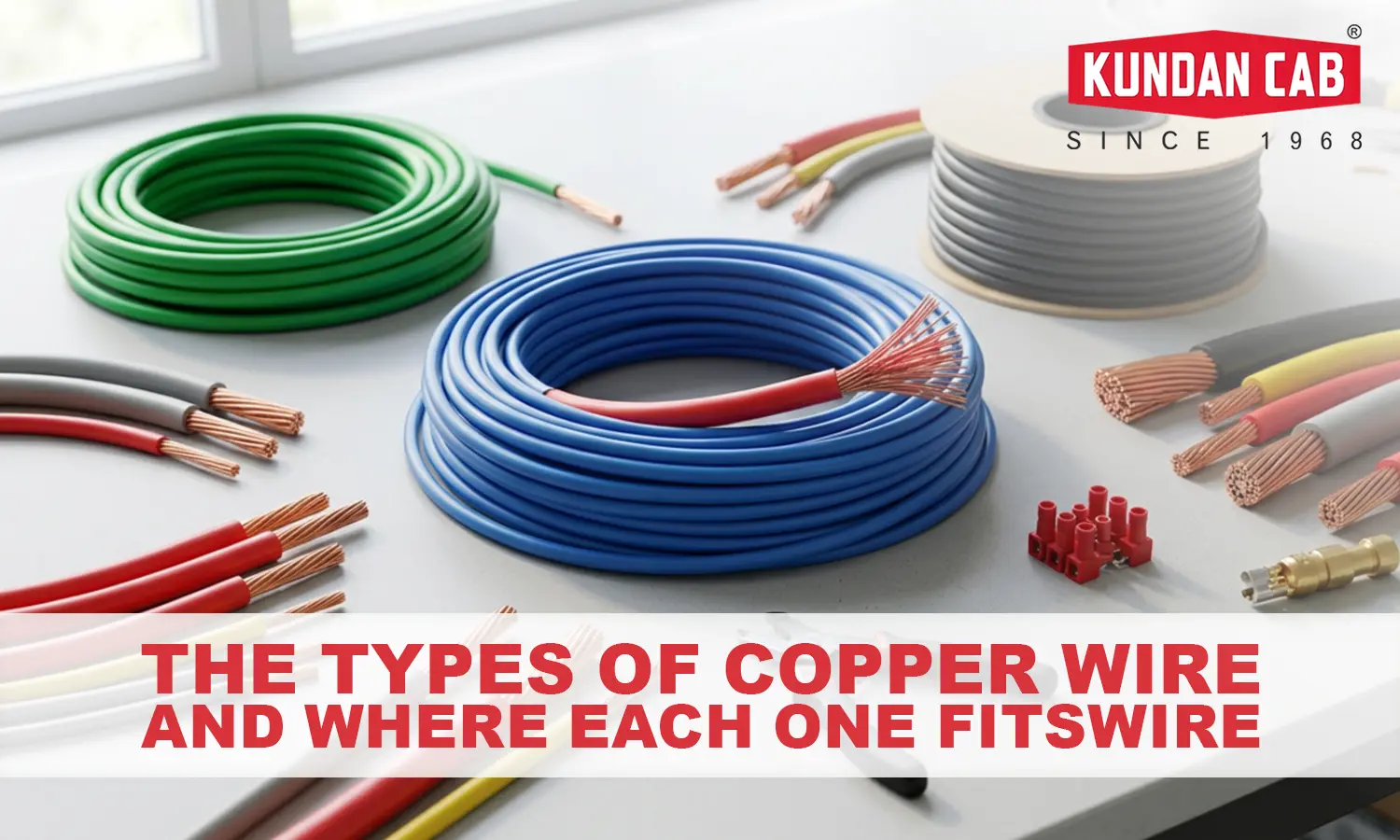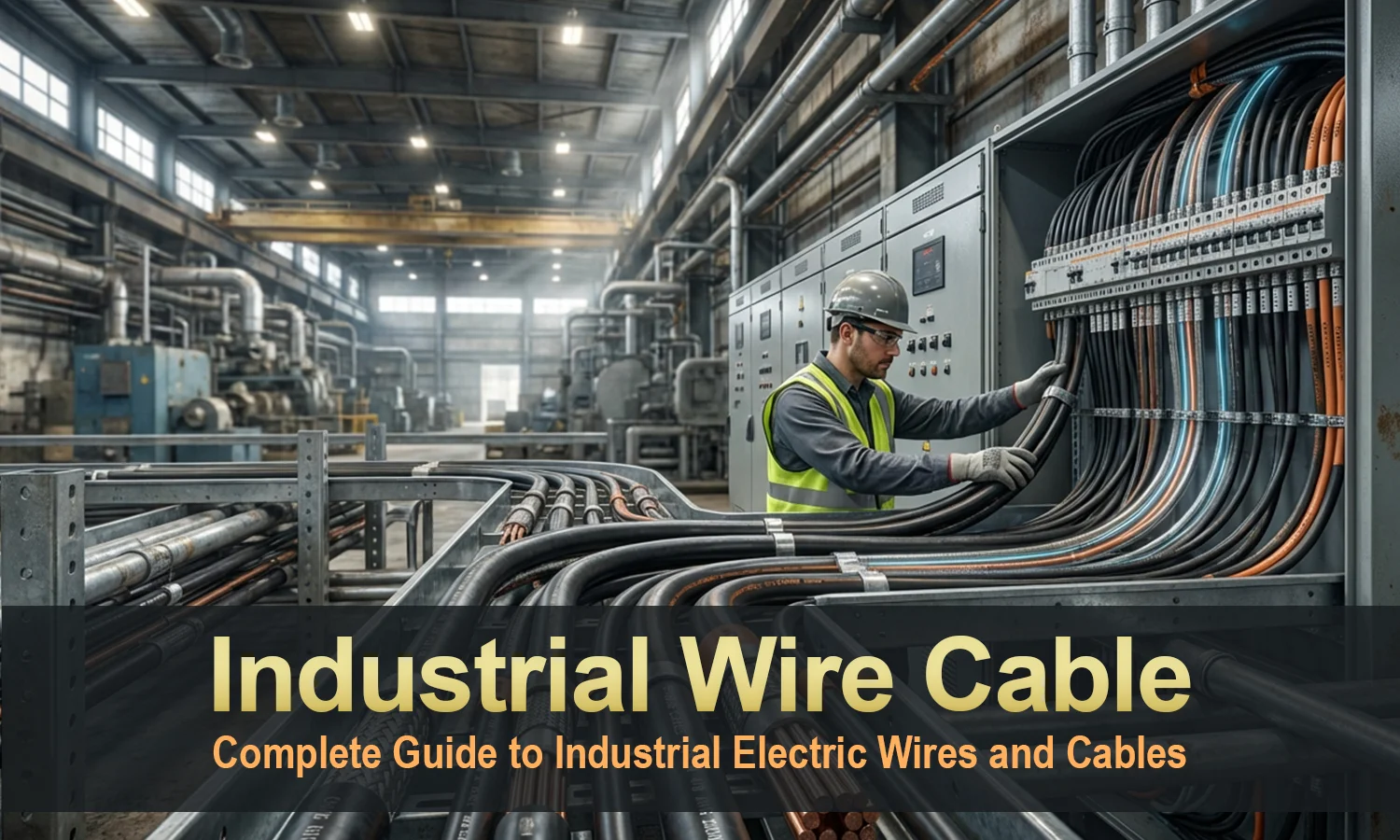
Industrial Wire Cable: Complete Guide to Industrial Electric Wires and Cables
Every industrial system depends on reliable industrial wire cable to maintain consistent operations. These cables carry power and signals across machines, control panels, and large facilities. If the cable quality is poor, it can lead to downtime, safety risks, and performance issues.
Understanding industrial wire cable helps in selecting the right solution for demanding environments. Each type is designed to handle specific conditions such as heat, load, and mechanical stress.
What Is Industrial Wire Cable?
An industrial wire cable is designed to transmit power and signals in industrial environments. These cables are built to handle higher loads, harsh conditions, and continuous usage.
Unlike regular cables, industrial electrical wiring focuses on durability and consistent performance. These cables are used in factories, plants, and infrastructure systems where reliability is important. Proper insulation and shielding help maintain performance even under stress.

Types of Industrial Electric Wires and Cables
Different industries require different types of cables. Industrial electrical cables are designed based on their application, load capacity, and environment.
Common types include:
- Power cables used for heavy electrical loads
- Control cables used for signal transmission
- Flexible cables used in moving machinery
- Shielded cables for noise-sensitive environments
Each industrial wiring cable serves a specific purpose and ensures stable operation across systems.
Applications of Industrial Wire Cables
The use of industrial wire cable extends across multiple sectors. These cables are essential in maintaining smooth operations in complex systems.
Some key industrial cable applications include:
- Manufacturing plants and machinery
- Power distribution systems
- Automation and control systems
- Oil and gas industries
In these environments, an industrial power cable ensures that electrical energy is delivered safely and efficiently.
Challenges of Choosing Cable for the Industrial Sector
Selecting the right industrial wire cable is not always simple. Industrial environments present multiple challenges that can affect cable performance.
Factors such as heat, moisture, vibration, and chemical exposure can damage cables over time. A heavy-duty electrical cable is often required in such conditions to maintain performance.
Without proper selection, cables may fail early, leading to maintenance issues and operational delays.

Key Factors to Consider When Selecting Industrial Wire Cable
Choosing the right industrial wire cable requires careful evaluation of the application and environment.
Key factors include:
- Load capacity and voltage requirements
- Environmental exposure such as heat or moisture
- Flexibility requirements for moving equipment
- Resistance to interference and mechanical stress
In control systems, selecting the right control cable industrial type ensures accurate signal transmission and system stability.
Why Choose Kundan Cab as Your Industrial Cable Supplier
Selecting a reliable industrial cable supplier is as important as choosing the right cable. A trusted manufacturer ensures consistent quality and adherence to standards.
Kundan Cab focuses on producing cables that meet performance requirements across industries. Their manufacturing process includes quality checks and material testing to ensure durability and safety.

Benefits of Working With a Trusted Industrial Cable Manufacturer
Working with a trusted manufacturer improves overall system performance. A well-designed industrial wire cable reduces downtime and maintenance costs.
Benefits include:
- Consistent product quality
- Compliance with industry standards
- Reliable performance in demanding conditions
- Long service life
These factors contribute to efficient operations and reduced risk in industrial setups.
Conclusion
Industrial wire cable plays a key role in maintaining reliable industrial operations. From power transmission to control systems, these cables support every part of the process.
Understanding their types, applications, and selection factors helps in making better decisions. Manufacturers like Kundan Cab continue to provide solutions that meet industrial demands and ensure long-term performance.
Key Takeaways
- Industrial wire cable is essential for power and signal transmission in industries
- Different cable types are used based on application and environment
- Proper selection reduces downtime and improves efficiency
- Heavy-duty cables are required for harsh conditions
- Choosing a reliable supplier ensures consistent performance
FAQs
1. What standards should industrial wire cables follow?
Industrial wire cable should follow standards such as IS, IEC, or other relevant certifications. These ensure safety, quality, and performance across industrial applications.
2. How do environmental conditions affect industrial cables?
Environmental factors like heat, moisture, and chemicals can impact industrial wire cable performance. Using the right insulation and cable type helps maintain durability and reliability.
3. What insulation materials are commonly used in industrial cables?
Common insulation materials used in industrial wire cable include PVC, XLPE, and rubber. Each material is selected based on temperature resistance and application needs.
4. How often should industrial cables be inspected or maintained?
Regular inspection of industrial wire cable is important. Maintenance schedules depend on usage and environment, but periodic checks help prevent unexpected failures.
5. Can industrial wire cables improve energy efficiency?
Yes, high-quality industrial wire cable can improve energy efficiency by reducing power loss and maintaining consistent current flow across systems.