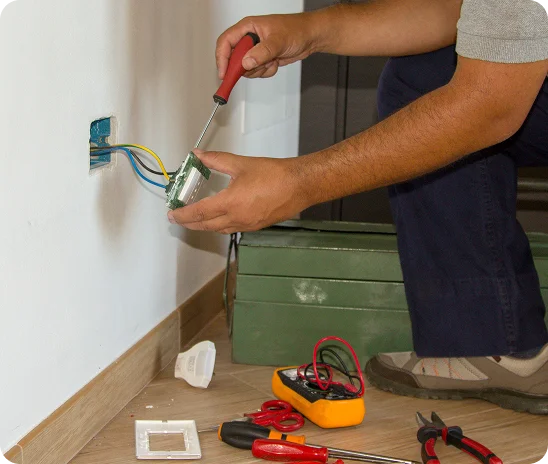
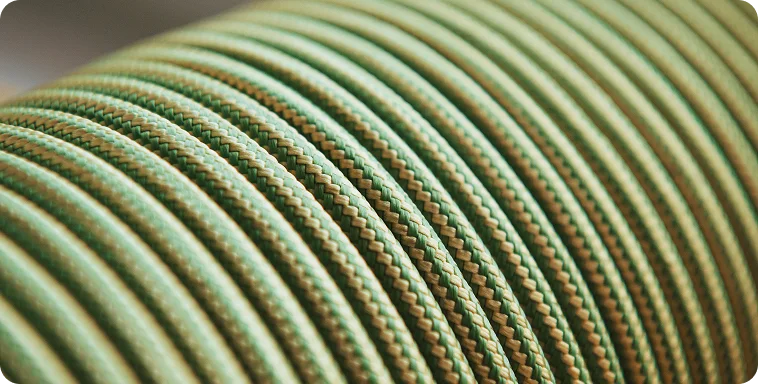
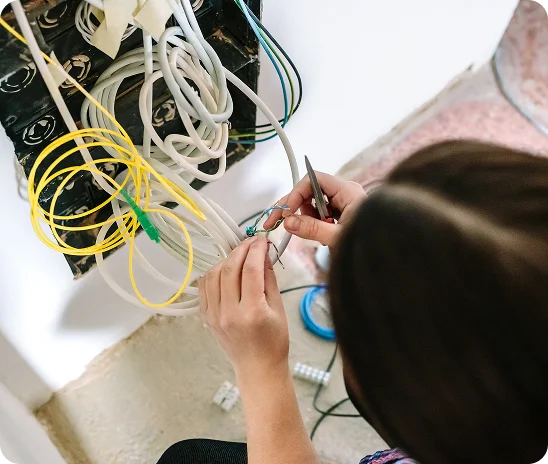
A wire is a single or multi strand conductor that moves electric current from one point to another. When many such conductors are run through a home to power lights, fans, sockets and appliances, the full network is called house wiring. Good house wiring is not only about making a connection. It is about carrying the right load without heat, without leakage and without risk to the people living there.
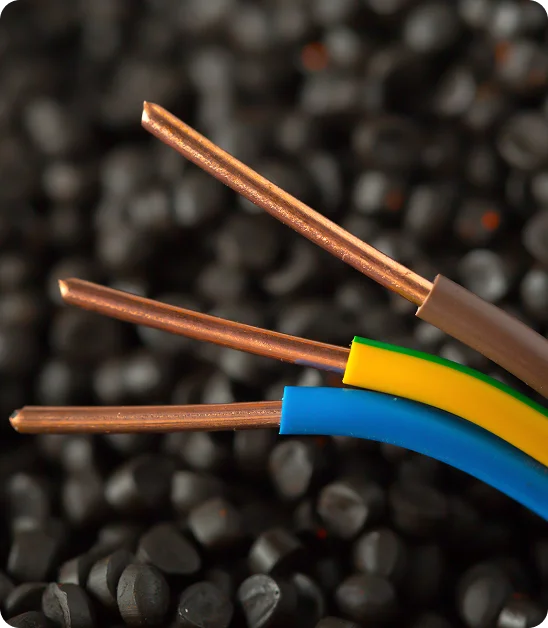
Every household electrical wire in a modern home has two parts. The metal conductor inside, usually copper, carries the current. The coloured insulation outside protects that conductor and keeps people safe from shock. The thickness of the conductor, measured in square millimetres, decides how much current the wire can safely carry. This is why the size of wire used in house wiring in mm matters far more than most homeowners realise when they plan a new home.
Different homes also need different house wiring types. A small flat with basic lighting has simpler needs than a large independent house running two air conditioners, a geyser and a water motor. Understanding these house wiring types early helps a family avoid expensive rewiring later, and it makes the whole house wiring plan easier to budget.
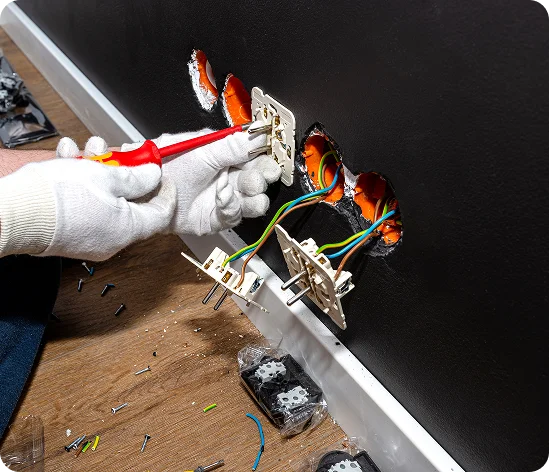
In India, home cables are built to an Indian Electrical Standard known as IS 694:2010. This standard covers PVC insulated copper and aluminium cables for voltage grades up to and including 1100 volts, which is exactly the range used in house wiring. When a wire carries this certification along with the BIS mark, it means the copper purity, insulation quality and current rating have all been tested against a national benchmark.
Choosing cable that meets IS 694:2010 is the single easiest way to protect a home. It is the difference between a household wire that performs quietly for decades and a cheap coil that fails the moment the load rises. Any household wire bought for a living space should carry this standard clearly printed along its insulation, because that printed proof is what an electrician and an inspector will look for first.
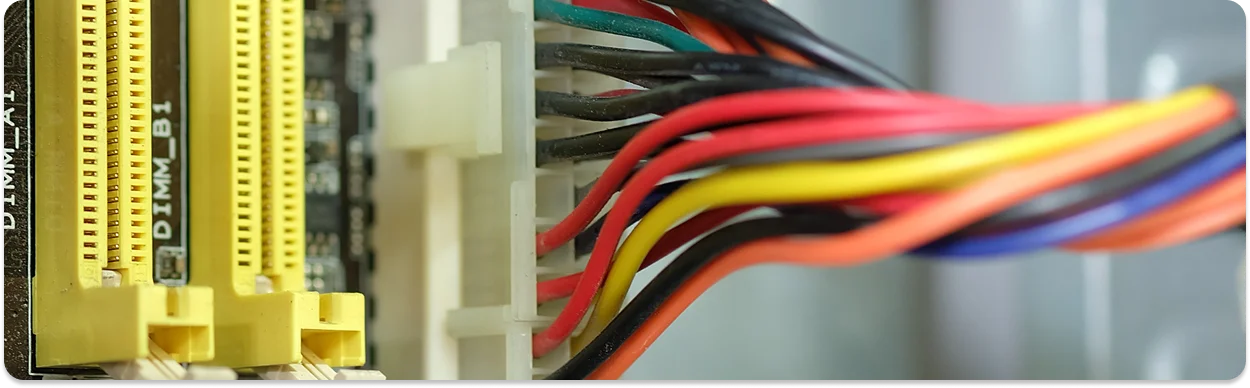
Here is the simple version. A thicker conductor has lower resistance, so it lets current pass through with less heat. A thinner conductor has higher resistance, so it heats up faster when the same load runs through it. That is why the house wiring wire size is chosen by the current a circuit is expected to carry, and never by guesswork.
In plain terms, more load needs more copper. The cross section area in square millimetres is directly linked to how much resistance the conductor has, and lower resistance means safer, cooler operation. A lighting circuit draws very little current and needs only a thin wire. A geyser or an air conditioner draws heavy current and needs a thicker wire for house wiring. Getting the house wiring wire size right keeps the whole system cool, efficient and safe for years.
Colour coding is not decoration. It tells an electrician which conductor is live, which is neutral and which is earth, and that makes maintenance and fault finding far safer. Most modern house wiring follows the brown, blue and green scheme, while many older Indian homes still use the red, black and green scheme. Both are valid, so the important thing is to stay consistent across the whole home.
Live (Phase)
Neutral
Earth
Red
Black
Green
Brown
Blue
Green or green and yellow
Carries the current
Completes the return path
Safety earthing to the ground
The green wire deserves special attention. It is the earth conductor, and it safely carries fault current to the ground instead of through a person. Kundan Cab supplies house wiring cable in red, yellow, blue, black and green, so every conductor in a home can follow its correct colour role. Skipping the green earth wire is one of the most common and most dangerous shortcuts made during house wiring cable selection, and it is easily avoided.
The metal inside the wire changes everything. Copper and aluminium are the two common conductors, and they behave very differently. Aluminium is much lighter, with a density of about 2.70 grams per cubic centimetre, while copper sits near 8.9 grams per cubic centimetre. Aluminium is also cheaper per kilogram, which is why it appears in large industrial runs and overhead lines rather than inside homes.
For a home, copper is the preferred choice. Copper wire for house wiring carries more current for the same thickness, handles heat better and holds its shape at connection points for far longer. This is why almost every recommendation for the best wire for house wiring in india points to copper for living spaces. Aluminium still has a place in heavy incoming lines and budget industrial work, but for daily home loads, copper wire for house wiring remains the safer long term investment.
When people ask which wire is best for house wiring, the honest answer is a copper conductor built to IS 694:2010 with a flame retardant grade of insulation. That single combination gives the safety, efficiency and life that an Indian home needs, and it settles the debate on which wire is best for house wiring for most families.
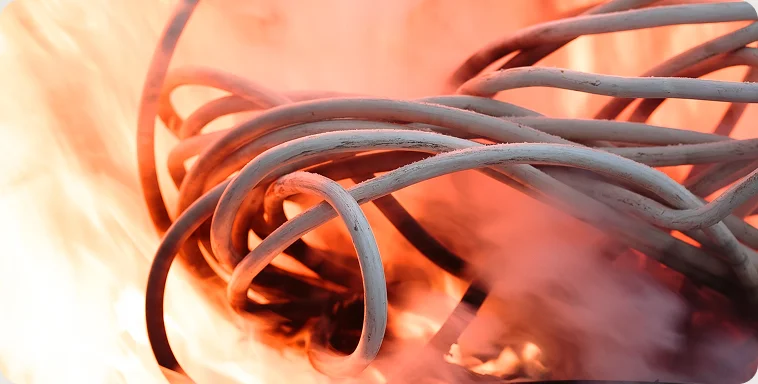
Insulation is the second half of safety. A conductor may be perfect, but poor insulation can still cause fire and current leakage. For house wiring in living areas, an FR or FR-LSH PVC insulated copper conductor made as per IS 694:2010 is the correct specification to ask for.
Here is what these grades mean in plain language.
FR insulation slows the spread of fire along the cable and resists ignition, which buys precious time during an electrical fault. It suits general home and building wiring where standard fire safety is needed.
Along with resisting flame, FR-LSH releases far less smoke and toxic gas when exposed to fire. This matters most in closed spaces, high rise flats, hospitals, schools and any place where people need clear air and visibility to exit safely. It is a genuine step up in fire safety for family homes.
PFFR is a premium flexible flame retardant grade for homes that want extra flexibility and pulling strength in the same safe copper family, which makes long conduit runs easier to handle.
Kundan Cab does not manufacture armoured cable, so home buyers should focus on these flame retardant copper grades, which are exactly what living spaces require. Choosing the best cable for house wiring is really about matching the right flame retardant grade to the room and its load. For most Indian homes, an FR or FR-LSH copper cable is the best cable for house wiring you can install today.
Wire size is chosen by how much current a circuit carries. A bigger appliance load simply needs a bigger conductor. The table below gives a simple, indicative guide to common copper wire sizes and the rough current each can handle in typical home conditions. Final selection should always follow the actual load, the installation method and a licensed electrician, because real ratings shift with temperature and how the cable is run.
Homes rarely need very thin wires, so sizes below 1.0 square millimetre are not used for house wiring. The common range starts at 1.0 square millimetre for lights and rises to heavier sizes for mains and sub mains.
1.0 sq mm
1.5 sq mm
2.5 sq mm
4.0 sq mm
6.0 sq mm
10 sq.mm
16 sq.mm
25 sq.mm
35 sq.mm
50 sq.mm
70 sq.mm
95 sq.mm
About 11 A
About 14 A
About 20 A
About 26 A
About 34 A
About 46 A
About 61 A
About 80 A
About 99 A
About 119 A
About 151 A
About 182 A
Lighting circuits
Light and fan points
Sockets and small air conditioners
Geyser and larger air conditioners
Heavy appliance circuits
Sub main lines
Main incoming for small homes
Main incoming for larger homes
Large mains and light industrial
Heavy mains
Heavy incoming supply
Very heavy mains and industrial
This is why the size of wire used in house wiring in mm is not a detail to skip. Matching size to load keeps the wire cool and the electricity bill lower. Kundan Cab copper VIR cable covers this full range from 1.0 up to 95 square millimetres and beyond, so a single trusted brand can serve both the lighting points and the main line. Selecting the correct wire for house wiring at every point is the real core of a safe installation.
A complete job needs more than cable. Typical house wiring materials include the copper wires themselves, switches, sockets, MCBs, the distribution board, conduits and earthing accessories. The wire is the heart of the system, yet these supporting house wiring materials decide how neat, safe and serviceable the finished work looks and feels.
Buyers often compare house wire price across brands before starting a project. It helps to remember that wire is sold by coil length, commonly 90 metres or 45 metres, and that a fair house wire price reflects real copper content and genuine IS 694:2010 grade insulation, not just the number printed on the label.
The cost to install electrical wiring in a home depends on the size of the property, the number of points and the grade of cable chosen. As an indicative range, a full home wiring job runs around 250 to 350 rupees per square foot in metro cities and roughly 180 to 250 rupees per square foot in smaller towns, covering wire and labour but not always the fittings.
Copper grade, brand and point count all move this figure. Spending a little more on a genuine flame retardant home electrical wire is money well placed, because rewiring later costs far more than wiring correctly the first time. When you weigh the cost to install electrical wiring against decades of safe use, quality home electrical wire turns out to be the cheaper choice over the life of the home.
Kundan Cab has served Indian homes and industry for over 50 years, built on a simple promise of trusted quality. Manufactured by Balar Marketing Pvt. Ltd. and certified to IS 694:2010 with the BIS mark, the range is designed for real Indian conditions and real Indian loads.
For living spaces, the flame retardant copper family gives homeowners a clear path to the best wire for house wiring. Safety Pro FR delivers dependable flame retardant protection for everyday building wiring. Flexy Plus FR-LSH adds low smoke and halogen safety for closed and crowded spaces. Power Plus PFFR brings premium flexibility for demanding installs. Across all of these grades the conductor is high purity electrolytic copper, which is what makes it the best quality electric wire for house use.
Homeowners who want the best wire for house wiring under a single trusted name can rely on this copper range from the first lighting point to the main incoming line. For anyone searching for the best quality electric wire for house projects, a Kundan Cab FR or FR-LSH copper cable meets both the safety standard and the everyday demands of an Indian home.
Your home deserves cable that is built to last, not the cheapest coil on the shelf. If you are wiring a new flat or replacing old cable, choose a copper conductor that carries the IS 694:2010 standard and a flame retardant grade suited to your rooms. Look at the Kundan Cab range of FR, FR-LSH and PFFR copper wires, ask your electrician for genuine IS 694:2010 cable by name, and wire your home once, wire it right. Visit kundancab.in to find the correct grade and size for every point in your house wiring plan.
Always choose copper cable built to IS 694:2010 with the BIS mark for safe house wiring.
Match the wire size to the circuit load. Lighting needs 1.0 to 1.5 square millimetre, sockets need 2.5 square millimetre, heavy loads need 4.0 square millimetre and above.
Use FR for general rooms and FR-LSH for closed, crowded or high rise spaces.
Follow the colour code correctly and never skip the green earth wire.
Copper is the best wire for house wiring in Indian homes, offering more current, less heat and longer life than aluminium.
Safe house wiring is never an accident. It is the result of the right copper conductor, the correct size, a proven flame retardant grade and honest IS 694:2010 certification. Get these four right and a home stays powered, cool and protected for decades. Kundan Cab has stood behind that promise for over 50 years, and choosing quality wire today is the simplest way to keep a family safe tomorrow.