Overview
The best wire for house wiring is a genuine copper conductor built to IS 694:2010 in an FR or FR-LSH grade. Copper carries current safely, the grade adds fire protection and the right size matches each circuit. Matching grade and size room by room keeps an Indian home safe for decades.
The wire hidden inside your walls is the one electrical choice you live with the longest, so it is worth getting right the first time. The right wire is not the cheapest coil on the shelf, nor the loudest name. It comes down to genuine copper, the correct fire grade and honest certification, matched to each room. This resource brings six common questions together into one clear answer, so an Indian homeowner or electrician can choose the right wire for house wiring with confidence, using the real Kundan Cab range.
What Makes the Best Wire for House Wiring?
Three basics decide quality, and everything else is detail. The conductor metal sets how safely current flows, the insulation grade sets fire safety, and the certification proves both have been tested. A good house wiring wire carries its rated current without heating, resists fire and shows a national mark on the insulation. When these three line up, you have a wire a home can trust for decades. When even one is missing, the price on the label stops mattering.
Why Copper Beats Aluminium?
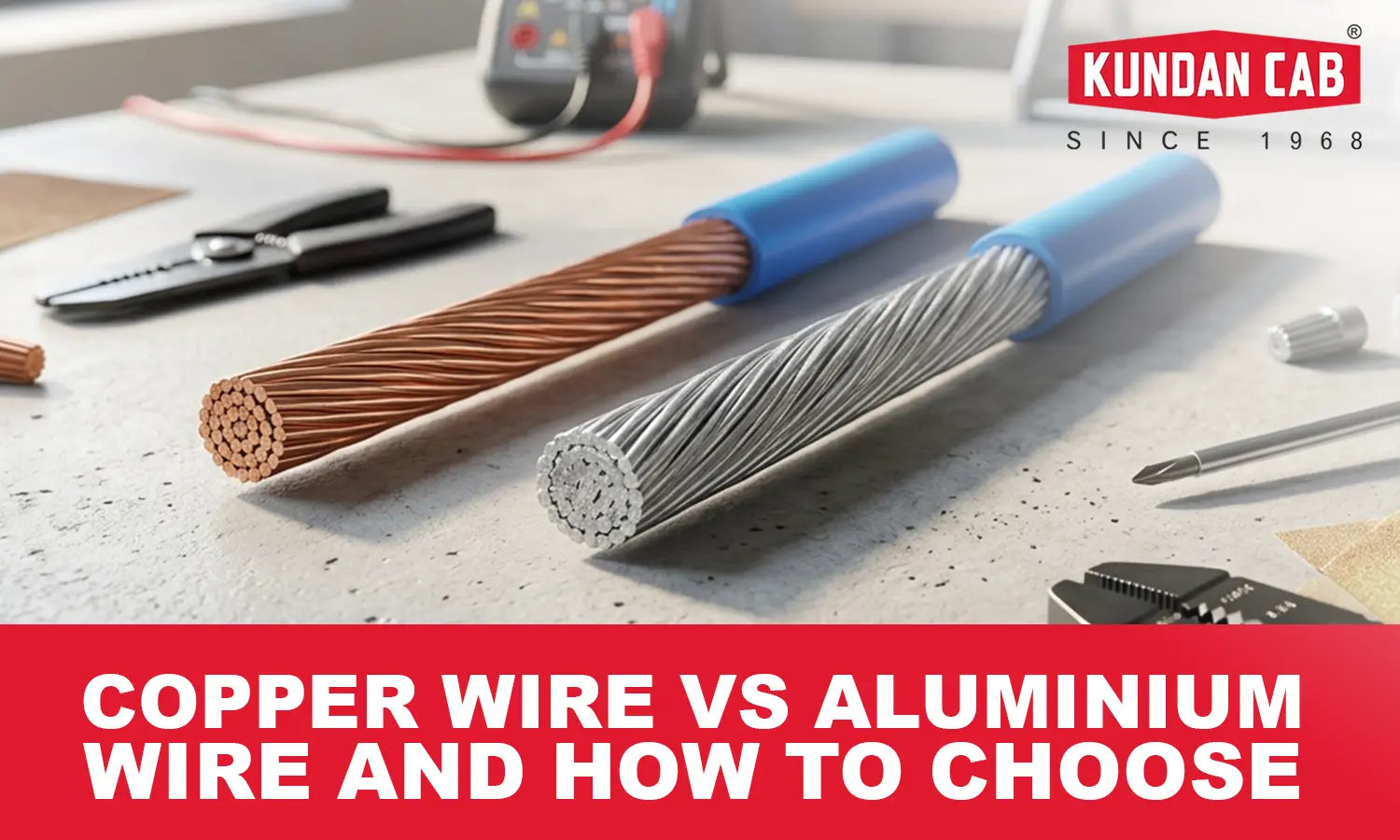
The metal inside decides performance, and for a home copper wins clearly. A copper conductor carries more current for the same thickness, runs cooler and keeps its grip at joints far better than aluminium, which loosens and oxidises over time. High purity electrolytic copper, around 99.97 percent in Kundan Cab wires, is why copper is the trusted core of the best electrical wire for daily home loads. Aluminium has its place on heavy incoming lines, but inside living spaces copper is the safer and longer lasting choice.
Choosing the Right Flame Retardant Grade
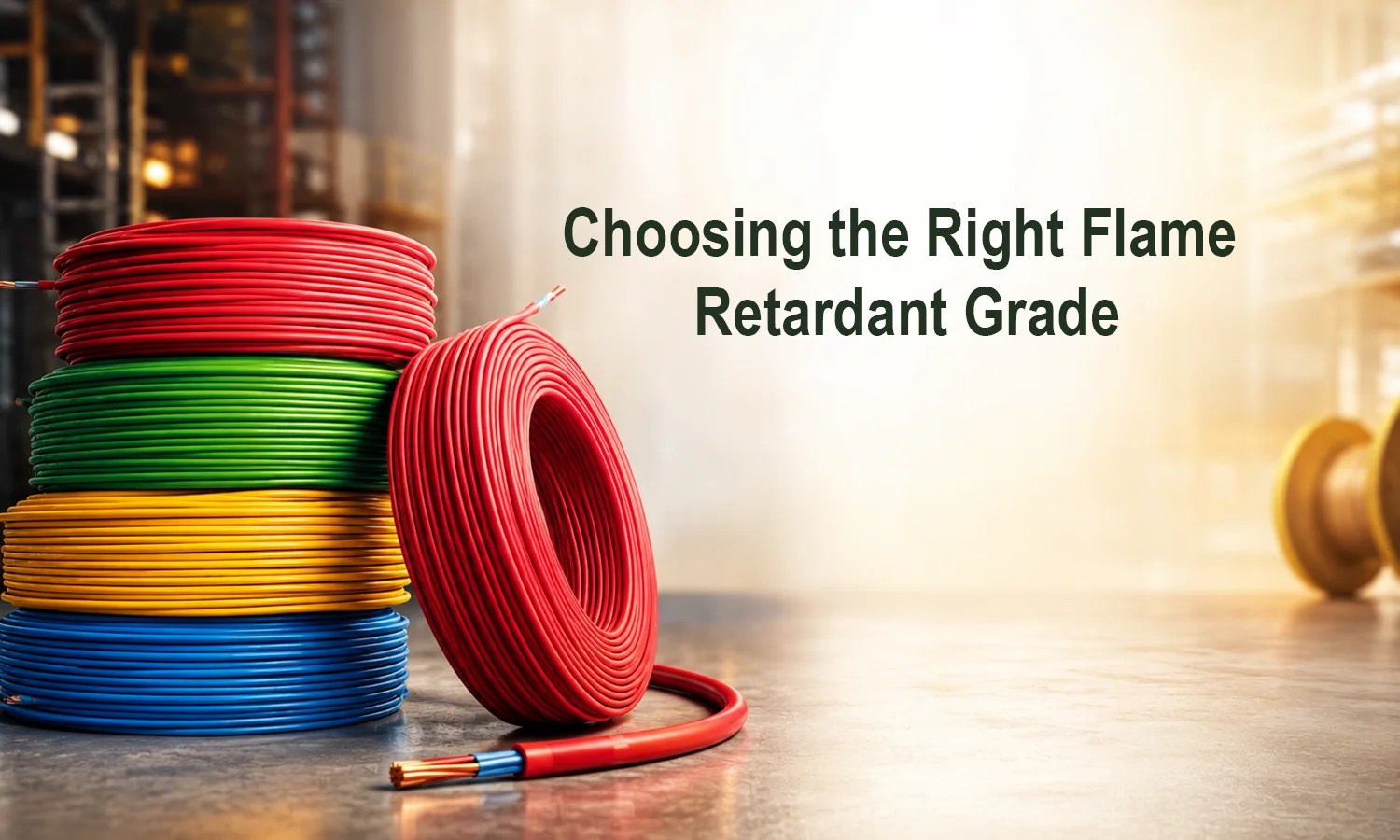
Copper is only half the answer, since the insulation decides how the wire behaves in a fire. Kundan builds its home range in three flame retardant grades, so you can match the covering to the risk of each space.
FR for General Rooms
FR, or Flame Retardant, resists ignition and slows fire along the cable. An FR grade suits bedrooms, halls and standard lighting and socket circuits where everyday fire safety is enough. Safety Pro FR is a dependable house electrical wire for most rooms in an Indian home.
FR-LSH for Closed and High Rise Spaces
FR-LSH, Flame Retardant Low Smoke and Halogen, does everything FR does and releases far less choking smoke in a fire, so people can see and breathe while leaving. An fr-lsh wire is the wise choice for closed rooms, high rise flats, hospitals and schools, where clear air saves lives. Flexy Plus FR-LSH covers these spaces, and as a fire resistant wire it also carries a high oxygen index and strong dielectric strength.
PFFR for Long and Demanding Runs
Power Plus PFFR is a premium flexible flame retardant grade. Its extra flexibility makes long conduit runs easier to pull without losing safety, so it suits demanding installs in the same certified copper family as FR and FR-LSH.
Matching the Wire Size to Each Circuit
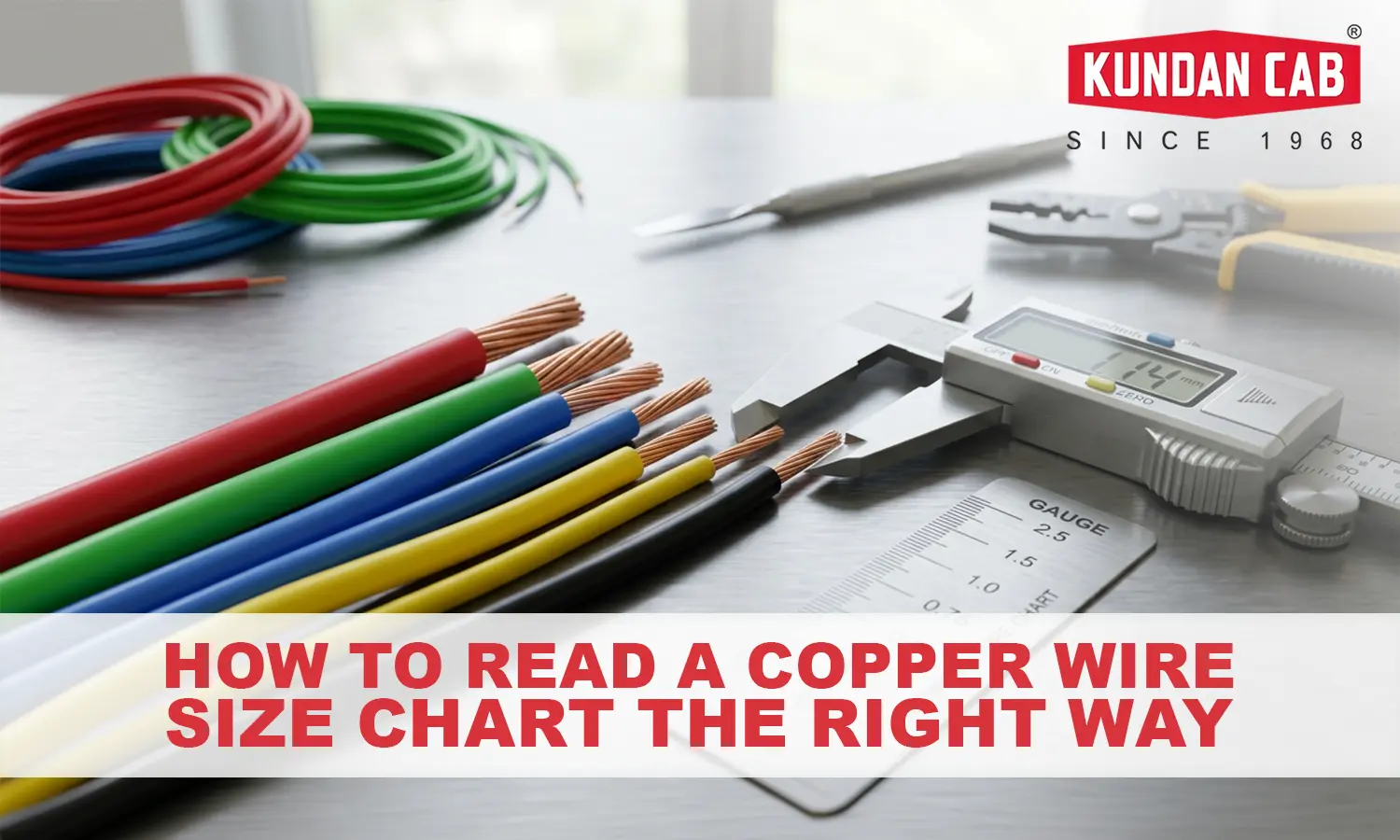
The right grade still needs the right size, and undersizing is the main cause of overheating in homes. Match the conductor size to the load on each circuit, and step up one size on very long runs to hold voltage drop in check. The table below is a practical starting point for common home circuits.
| Circuit | Typical Wire Size |
|---|---|
| Lighting Points | 1.0 to 1.5 square millimetre |
| General Power Sockets | 2.5 square millimetre |
| Geysers and Small Air Conditioners | 4.0 square millimetre |
| Heavy Loads and Main Lines | 10 square millimetre and above |
Matching size to load this way, alongside the right grade, is how the best electrical cable performs safely in every corner of the home. Treat the table as a guide, since the safe figure also depends on run length, how the cable is installed and the heat around it.
Five Quality Checks Before You Buy
On a shelf, a genuine coil and a thinned one can look identical, so a short checklist protects you. Run through these before you pay.
- Copper. Confirm it is electrolytic grade and full weight for the stated size.
- Certification. Look for the IS 694:2010 standard and the BIS mark printed on the insulation.
- Grade. Choose FR for general rooms and FR-LSH for closed and high rise spaces.
- Size. Match the conductor size to the circuit load.
- Brand. Buy from a name with a clear, long record of quality.
These checks are what separate the best quality electric wire for house wiring from a cheap coil that only looks the same. A genuine wire holds its stated copper content, which is exactly what keeps it safe under real load.
Why Cheap Wire Costs More?
A low price is tempting, yet cheap wire often carries less copper or lower purity than the label claims. That small saving vanishes the moment the wire heats, leaks or fails, since opening a wall to rewire it costs far more than the wire ever did. A genuine electrical wire for house circuits protects both the family and the budget, which is why quality is the real economy in wiring.
The Colour Code and Earthing
A home wire also follows a colour code so every conductor is easy to identify. Brown or red marks live, blue or black marks neutral, and green marks earth. Kundan supplies its house wiring wire in red, yellow, blue, black and green, so each core follows its role. Never skip the green earth wire, since it carries fault current safely away from people and is the quiet guardian behind every socket.
How to Compare House Wire Brands?

A wire is a long term fitting, so the maker matters as much as the coil. Several house wire brands serve Indian homes, and the right one brings genuine copper, a proven grade and long standing trust together. Weigh each name on the same fundamentals.
- Copper purity and full weight for the stated size.
- The IS 694:2010 standard and BIS mark, shown openly on the coil.
- A full grade range from FR to FR-LSH to PFFR for every room.
- A clear record of consistent quality over many years.
A dependable best cable brand shows all of these rather than hiding behind a low price. Kundan Cab, trusted for over 50 years, builds its home range around high purity electrolytic copper certified to IS 694:2010, which is what makes it a reliable pick among the established house wire brands for a family home.
Warning Signs of a Poor Quality Wire
A weak wire usually gives itself away, and knowing the signs saves trouble later.
- Thin or discoloured copper that looks less than its stated size.
- Insulation that cracks easily or gives off a strong chemical smell.
- A missing IS 694:2010 mark anywhere on the coil.
- A price far below the going market rate.
Any of these points to a coil best left on the shelf, since the small saving today invites heat, leakage and early failure tomorrow.
A Simple Room by Room Plan
Bring it together room by room and the whole plan stays consistent. Use FR copper for bedrooms, halls and general circuits, and FR-LSH for closed rooms, high rise flats and any space where low smoke matters most. Kitchens and bathrooms face heat and moisture, so run protected cable in the right size, while a geyser or air conditioner deserves its own thicker circuit. Keeping one trusted grade family across the home is why many families pick a single dependable name for every point, and it is how a good brand becomes the best wire for house wiring in india in a real home rather than on paper.
Key Takeaways
- A quality home wire is copper certified to IS 694:2010 in an FR or FR-LSH grade.
- Copper beats aluminium on current capacity, heat resistance and long life.
- Use FR for general rooms and an fr-lsh wire for closed and high rise spaces.
- Match the house electrical wire size to each circuit and step up on long runs.
- Compare house wire brands on copper, grade and certification, not price alone.
FAQs
1. Which is the best wire for house wiring?
The best wire for house wiring is a copper conductor certified to IS 694:2010 in an FR or FR-LSH grade. Copper outperforms aluminium on current, heat and life. Choose a trusted brand, use FR for general rooms and FR-LSH for closed or high rise spaces, and match the size to each circuit for the safest result.
2. What is the best wire for house wiring in India for a high rise flat?
For a high rise flat that grade is usually FR-LSH, because it releases far less smoke in a fire and keeps escape routes clear. It is still full copper certified to IS 694:2010, so you gain low smoke safety without giving up conductivity or long life. Match the size to each circuit as well.
3. How do I judge the best quality electric wire for house wiring?
Check four things. Genuine electrolytic copper at full weight, a proven flame retardant grade, the IS 694:2010 mark and a brand with a clear record. The best quality electric wire for house wiring shows all of these openly. A wire that hides its copper purity or carries no mark should be avoided, whatever the price.
4. Is copper really better than aluminium for a home?
Yes. A copper wire for house wiring carries more current per millimetre, runs cooler and holds connections better than aluminium, which suits heavy industrial lines instead. For everyday home circuits, certified copper is the best electrical wire for safety and long life.
The Best Wire for House Wiring From Kundan Cab
The best wiring decision is the one you never have to think about again. Kundan Cab has built home wire for over 50 years, offering Safety Pro FR, Flexy Plus FR-LSH and Power Plus PFFR, all drawn from high purity electrolytic copper and certified to IS 694:2010. Choose the right grade for every room, match the size to each load, and give your home wiring that stays safe and dependable for decades.
Wiring a home or a new project? Browse the Kundan Cab range and choose the best wire for house wiring in a grade and size you can trust. Visit kundancab.in or contact a Kundan dealer to pick the right copper wire for every room.