Overview
A copper electrical wire is the insulated copper wire that carries power through a home, from lights to sockets. Choosing the right grade and size protects against shock and fire. This overview explains house wires, FR and FR-LSH insulation and safe selection, using the real Kundan Cab range.
The wiring hidden in your walls does its job silently for years, which is exactly why it is easy to take for granted. A copper electrical wire carries every ampere your home uses, so its quality quietly decides how safe that home is. The coil you buy for a new room is not the place to cut corners, since a cheap wire can overheat behind plaster where no one sees it. This resource explains how to choose house wiring well, using the real Kundan Cab range.
What a House Wire Does
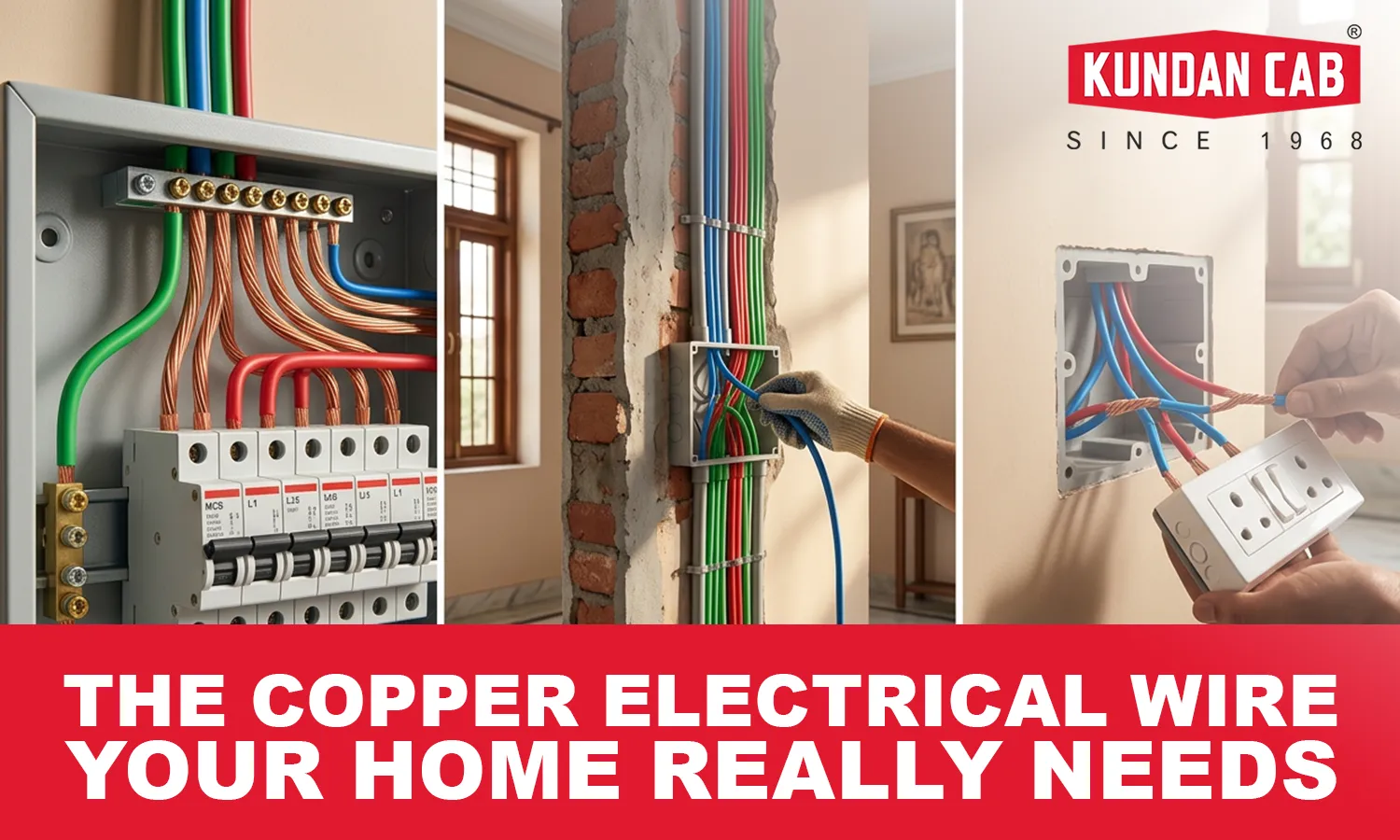
Most home circuits use single core insulated wires, often called a building wire, run through conduit to lights, fans and sockets. The copper carries the current while the insulation keeps it safely contained. Kundan builds these from 99.97 percent electrolytic copper to IS 694:2010, so each house electrical wire meets a consistent, certified standard. Getting this base right is what lets the rest of a home run safely for decades.
Insulation Grades That Protect You
The letters printed on a house wire describe how it behaves in a fire, and they matter more than most buyers realise. A flame retardant grade resists catching light, while an FR-LSH grade adds low smoke and halogen control so people can breathe and see to escape. A frls copper wire is a wise choice for homes with children or elderly members, and a low smoke pvc insulated copper wire belongs anywhere a fault could trap smoke, such as a stairwell.
- FR grade resists flame spread for everyday circuits.
- FR-LSH grade adds low smoke and low halogen for safer escape.
- The heat resistant GREEN+ grade withstands 105 degrees for hot spots like kitchens.
Choosing the Right Size
Grade is only half the choice, since size must match the load. Lighting runs on 1.0 to 1.5 sq mm, sockets on 2.5 sq mm, and a geyser or air conditioner on 4.0 sq mm and above. Picture the thin wire behind a light point against the heavier coil feeding a geyser, and the reason for different sizes is easy to see. A correctly sized electrical wiring cable runs cool, while an undersized one ages fast and risks a fault.
The Kundan House Wire Range
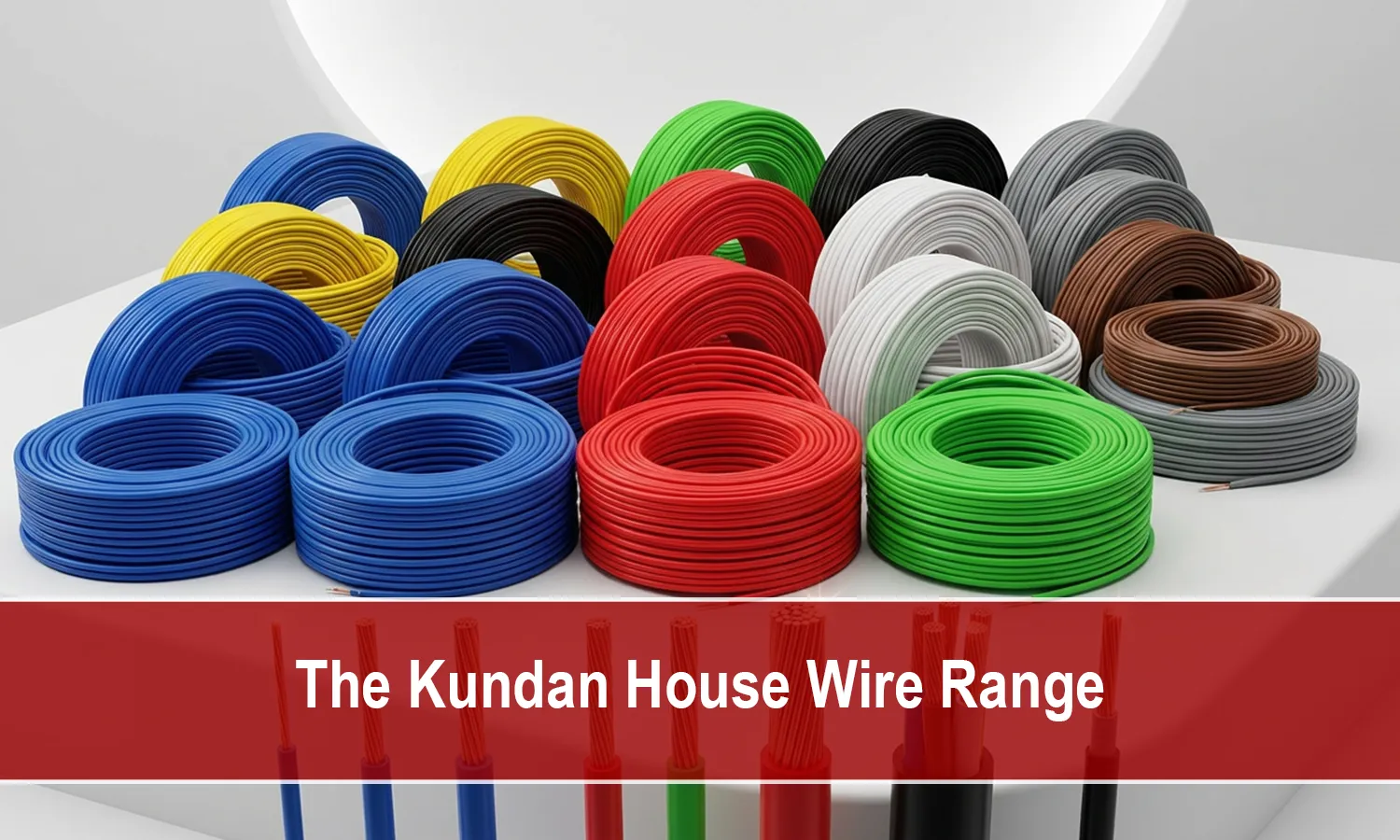
Kundan makes house wires for every corner of a home. GREEN+ is a heat resistant, flame retardant, low smoke and lead free wire for safety conscious homes, while Safety Pro delivers dependable flame retardant performance. Both come in the common house sizes and carry a 1100 volt rating. Choosing a genuine electrical copper wire from this range, marked to IS 694:2010, gives you wiring you can trust long after the walls are closed.
Common House Wiring Mistakes to Avoid
A few avoidable errors cause most of the trouble that shows up years later. The most common is fitting a plain wire in a hot kitchen where a heat resistant grade belonged, so the insulation ages early near the stove. Another is running too many heavy appliances on one undersized circuit, which leaves the wire warm behind the wall.
- Using one wire size everywhere instead of matching each circuit.
- Ignoring the insulation grade in kitchens, stairwells and damp areas.
- Overloading a circuit with more appliances than its size allows.
- Trusting an unmarked coil with no rating you can check.
Picture a family that adds a geyser and an air conditioner to a bedroom first wired only for lights and a fan. Without upgrading the wire, that convenience quietly overloads a circuit never meant for it. A little planning at wiring time, matching each grade and size to its room, prevents exactly this kind of hidden risk before it ever becomes a fault.
Key Takeaways
- A copper electrical wire carries every ampere in a home, so its quality decides safety.
- A building wire is a single core insulated wire run through conduit to lights and sockets.
- A frls copper wire adds low smoke protection, which matters for safer escape in a fire.
- Match the size to the load so an electrical wiring cable runs cool rather than hot.
- Kundan GREEN+ and Safety Pro give certified house wiring to IS 694:2010.
FAQs
1. What is a copper electrical wire and where is it used?
A copper electrical wire is an insulated copper wire that carries power through a home, from lights to sockets. It is usually a single core house electrical wire run in conduit. Kundan builds these from 99.97 percent electrolytic copper to IS 694:2010, so each coil meets a certified standard for safe home wiring.
2. What insulation grade is best for a home?
For most homes an FR grade is fine, while a frls copper wire with low smoke and halogen control is safer for stairwells and homes with children or elderly members. For hot spots like kitchens, the heat resistant GREEN+ grade suits best. Choosing the right pvc insulated copper wire for each area is a simple, powerful safety step.
3. How do I pick the right wire size for a circuit?
Match the size to the load. Lighting uses 1.0 to 1.5 sq mm, sockets use 2.5 sq mm, and heavy appliances need 4.0 sq mm and above. A correctly sized electrical wiring cable runs cool, while an undersized one overheats. When unsure, size up slightly and confirm against the load rather than guessing.
Wire Your Home Safely With Kundan
The wiring you cannot see is the wiring you most need to trust. Kundan Cab builds GREEN+ and Safety Pro house wires from high purity copper with FR and FR-LSH protection, all marked to IS 694:2010. Choose the right grade and size for each room, and give your home wiring that stays safe for decades.
Rewiring or building new? Browse the Kundan Cab GREEN+ and Safety Pro ranges and choose the right copper electrical wire for every room. Visit kundancab.in or contact a Kundan dealer for guidance.