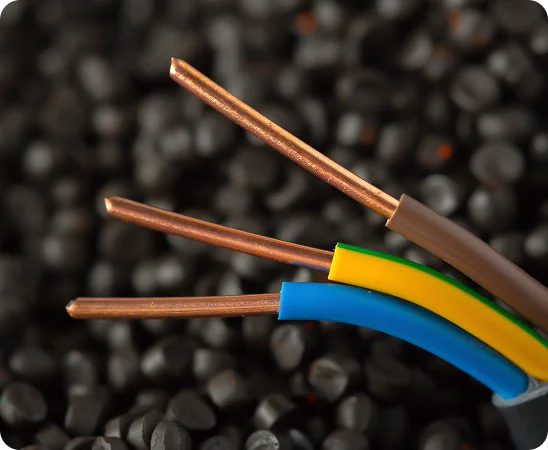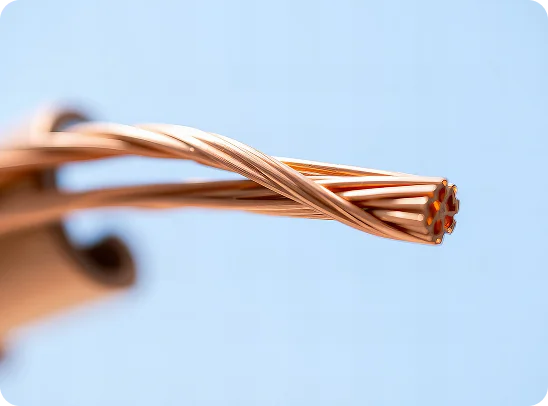
Behind every light you switch on and every motor that hums sits a conductor quietly carrying current. A copper wire is the most trusted choice for that job, valued for its conductivity, strength and long life. Kundan Cab has drawn and insulated copper to a consistent standard since 1968, earning its ISI mark in 1980, so the guidance here comes from decades of real manufacturing. This resource explains how copper wires and cables are built, sized and chosen for homes and industry.
Copper leads Indian wiring for a simple reason. It carries current at about 100 percent IACS conductivity, well above aluminium at roughly 61 percent, so a thinner conductor does the same work. Kundan Cab draws its copper to 99.97 percent purity, which keeps resistance and heat low in every wire it makes.
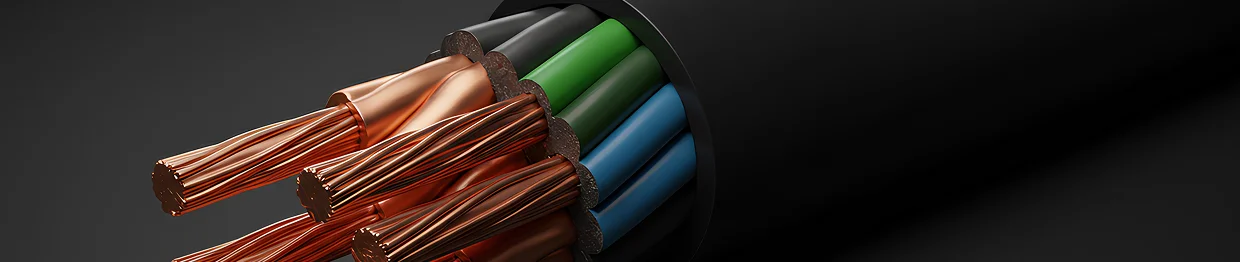
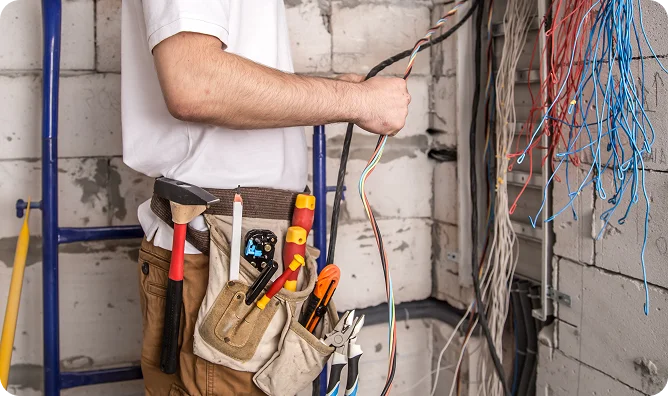
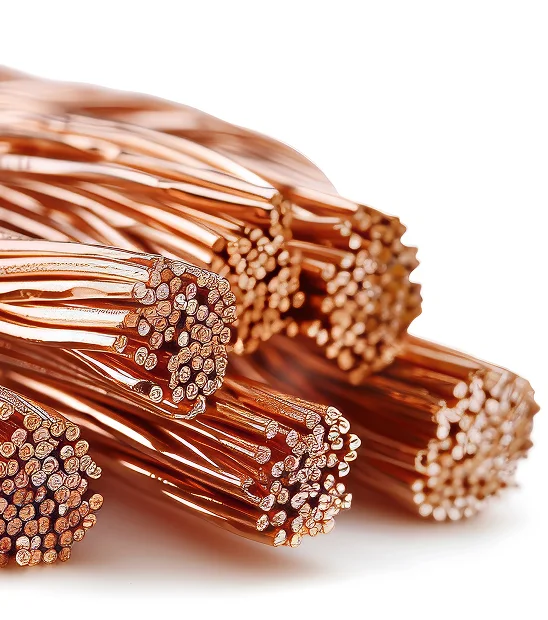
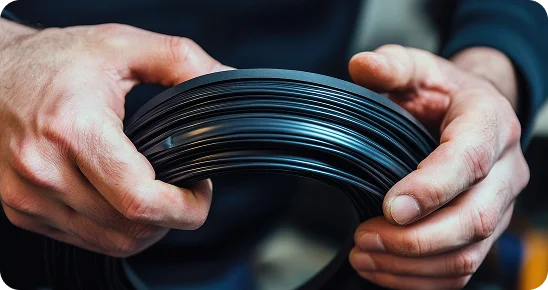
Beyond conductivity, copper is ductile and corrosion resistant, so it bends without cracking and lasts for decades in the wall. Picture the coil an electrician threads through a conduit, flexed around tight corners without a single break in the strand. That everyday reliability is what good copper wiring is really about. It is also why homeowners rarely think about their wires again once quality copper is installed correctly.
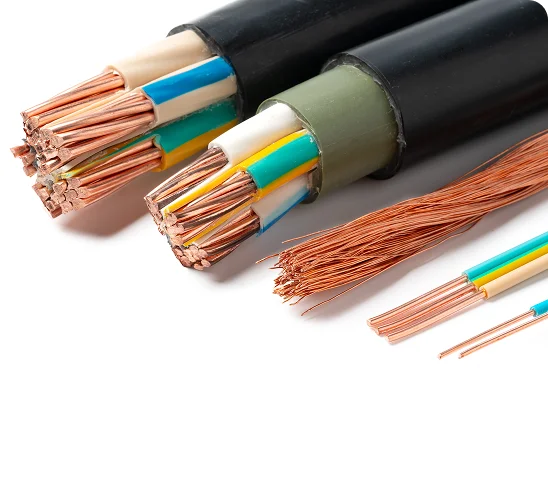
At the centre of any cable sits the conductor, and its construction decides how the cable behaves. A single thick strand is stiff and suits fixed wiring, while many fine strands bundled together give the flexibility an appliance lead needs. Kundan Cab draws and anneals its copper to a soft temper, then forms it into Class 2 or Class 5 conductors under IS 8130 and IEC 60228. A well made copper conductor cable balances conductivity, flexibility and strength for the job it will do.
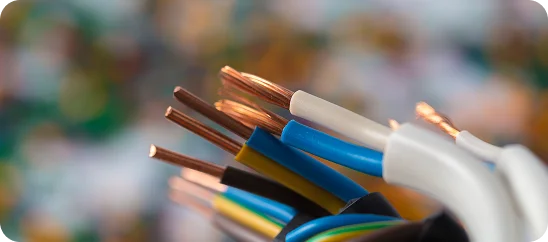
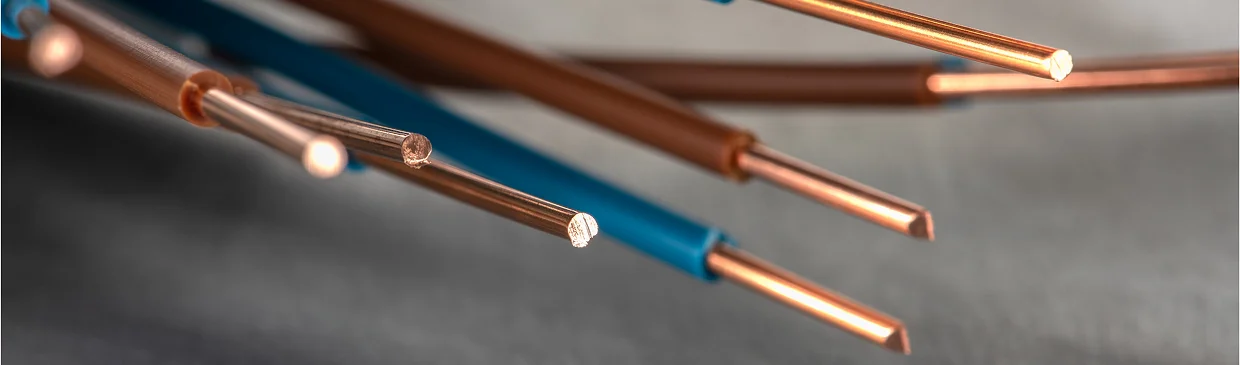
Around the conductor sits insulation that keeps current where it belongs. Kundan Cab uses PVC compounds in several grades, from standard FR to FR-LSH and a heat resistant HR-FR-LSH-LF grade. An insulated copper wire guards against shock and short circuits, and the grade decides how it behaves in a fire. A pvc insulated copper wire rated to 1100 volts suits most homes and industry, and a quality copper electrical wire always pairs the right conductor with the right insulation. The letters printed on the sheath are worth reading, since they describe exactly this.
Copper products fall into a few clear families, and each has an everyday job.
Knowing these types of copper wire makes selection simple. The flat cable that drops down a borewell to a submersible pump is a good example, since it is built and sheathed quite differently from the cable running your ceiling lights. Choosing the right family for the job is the first real decision, and each copper electrical cable is designed for its own setting.
A wire must carry its load without overheating, which is where copper cable current carrying capacity matters. This depends on the conductor size, the insulation temperature rating, how the cable is installed and the heat around it. Kundan wires are rated for 70 degrees continuous operation, while the HR grade GREEN+ range withstands 105 degrees, which lifts the safe copper cable current carrying capacity for the same size. Matching capacity to the real load, with a sensible margin, is the single most important safety decision in any installation.
Indian wires are sized in square millimetres, and a clear copper wire size chart links each size to a typical load. Think of the thin wire behind a light point against the heavier coil feeding a geyser, and the difference in size becomes obvious.
Some buyers still think in an older wire gauge chart, but square millimetres are the Indian standard and the safer guide. Using the right size avoids the twin risks of a wire that overheats and one that wastes copper.
Safety depends on more than the live conductor. A copper wire for earthing gives fault current a safe path to ground, protecting both people and equipment. Earthing runs often use a bare copper wire for its conductivity and corrosion resistance, though insulated earth conductors are common too. Good earthing paired with correctly rated live wires is what turns a set of cables into a safe system.
Buyers often weigh a copper wire vs aluminium wire choice. Copper conducts better, flexes without cracking and resists corrosion, so it is the standard for homes and most industry. Aluminium is lighter and cheaper, which suits some large overhead utility runs. For building wiring, the comparison usually favours copper on safety and durability, which is why Kundan Cab builds its house and industrial ranges in copper.
Copper is a traded metal, so the copper wire price moves with global rates and the gauge you choose. Buyers naturally compare figures for common sizes, and terms like the 4mm copper wire price, the 2.5 mm copper wire price and the ac copper wire price all trace back to the copper market and the size needed for the load. For paperwork, insulated products sit under the copper wire hsn code 8544. The real value in the best copper wire comes from copper purity, insulation grade and certification rather than the lowest figure on a coil.
In a home, most circuits use single core house wires sized to the load. Lighting runs on 1.0 to 1.5 sq mm, sockets on 2.5 sq mm, and a geyser or air conditioner on 4.0 sq mm and above. The Kundan GREEN+ range, with its heat resistant grade, suits safety conscious homes, while Safety Pro covers everyday flame retardant needs. A well planned home uses the right copper electrical wire in each area rather than one size everywhere, and a low smoke pvc insulated copper wire is a sensible choice for kitchens where heat runs higher.
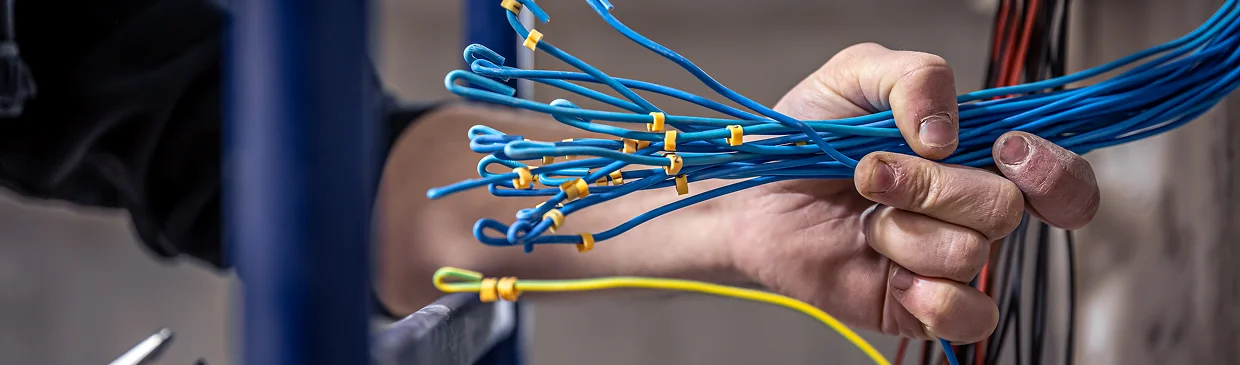
Commercial and industrial spaces ask more of their wiring, with higher loads, longer runs and tougher surroundings. Kundan Cab meets these needs with flexible FR-LSH ranges, multi core cables for controls and pumps, and the CTS and VIR industrial wires for panels and machinery. A single core wire feeds a distribution board, while a sheathed cable carries power to a motor that vibrates all day. Selecting the correct grade here protects both safety and uptime, not just cost.
Even the best cable depends on sound installation. Conductors should be terminated tightly, runs kept within their rated capacity, and bends kept gentle to protect the insulation. Over the years, a quick check for warm points, discoloured insulation or a loose terminal catches faults early. Because copper resists corrosion, a quality cable installed well can serve for decades with little attention, which is where certified copper quietly repays its cost.
A few checks separate a safe purchase from a risky one.
Trust starts at the factory long before a coil reaches a site. The cable manufacturing process runs from drawing the copper down to the right diameter, through annealing to soften it, then stranding, insulation extrusion, testing and packaging. Each stage leaves its mark on safety and life, so a controlled cable manufacturing process with proper testing is what separates a dependable coil from a risky one. Kundan Cab upgraded its plant with automated quality testing, and every drum is built to IS 694:2010 with RoHS eco compliance.
A reliable electrical installation starts with the right materials and proper circuit planning. Avoid these common mistakes:
Kundan Cables and wires makes copper wires and cables for every stage of a building. GREEN+ adds heat resistance and low smoke for safety conscious homes, Safety Pro delivers flame retardant performance, and Flexy Plus and Power Plus cover flexible needs. Multi core FR-LSH cables serve appliances and controls, submersible flat cables run pump motors, and the CTS and VIR ranges handle panels and machinery. Across the portfolio, every wire is built to IS 694:2010 with 99.97 percent copper and RoHS eco compliance.
A copper wire is chosen for its high conductivity, flexibility and long life, which is why it leads Indian wiring.
The conductor class and the insulation grade decide how a cable performs and how safe it is.
Match the current carrying capacity to the load, and use a size chart to pick the right gauge.
A dedicated earthing run, often bare copper, gives faults a safe path and protects the system.
Judge quality on copper purity, insulation grade and certification rather than price alone.
This pillar links to a complete cluster of focused guides. For products and construction, read copper cable, copper conductor, copper flexible cable and single core copper wire. For safety and performance, see copper cable current carrying capacity, insulated copper wire, pvc insulated copper wire and copper wire for earthing. For selection, use the copper wire size chart, types of copper wire, best copper wire and copper wire vs aluminium wire. For deeper knowledge, read the cable manufacturing process, the copper electrical wire guide and the bare copper wire explainer.
Ready to choose wiring you can trust? Browse the Kundan Cab range of house wires, flexible cables and industrial copper cables, each built with 99.97 percent electrolytic copper to IS 694:2010. Visit kundancab.in or contact a Kundan Cab dealer to specify the right copper wire for your project.